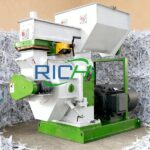


Uzbekistan’s booming livestock farming and supportive agricultural policies have driven strong demand for high-quality feed production equipment. Feed pellet plant in Uzbekistan, tailored to local raw material characteristics like wheat, corn, and alfalfa, has become a key driver for local businesses to enhance feed quality and realize industrialized breeding. With the government offering preferential tariffs on agricultural equipment imports and supporting feed production enterprises, the market for feed pellet plants and related machinery is thriving. Beyond the core feed pellet plant, the industry also relies on various specialized feed pellet machines and integrated production lines to meet diverse breeding needs. Choosing the right equipment aligned with local industry standards is crucial for efficient and profitable operations.
Core Advantages of Feed Pellet Plant in Uzbekistan
Feed pellet plants in Uzbekistan are engineered to adapt to the local agricultural environment and livestock farming demands, boasting unique advantages that support the country’s agricultural development goals:
- Local Adaptability: Designed to efficiently process abundant local grain and forage raw materials, from wheat and corn in Tashkent to alfalfa in Samarkand. Equipped with energy-saving drying systems to handle raw materials with high moisture content (up to 60% moisture) and reduce it to the optimal 12-15% for pelleting. The plants adopt compact layouts to fit the operational scale of local farms and agricultural cooperatives, adapting to both rural and industrial workplaces.
- Policy Compliance & Efficiency: Complying with Uzbekistan’s agricultural support policies, the plants support large-scale and standardized feed production, which is vital for meeting the needs of the growing poultry and cattle farming industries—especially with the recent surge in broiler chicken export demand. Production capacity ranges from 1 ton to 20 tons per hour, suitable for small-scale family farms, rural cooperatives, and medium-sized feed enterprises. The produced feed pellets have balanced nutrition and high digestibility, effectively improving the growth performance of livestock and poultry.
- Cost-Effectiveness: Leveraging local low-cost labor and abundant raw materials, coupled with the government’s tax incentives for agricultural equipment and raw materials, the feed pellet plants help reduce production costs by 15-20% compared to traditional feed processing methods. The closed production process also reduces feed waste and environmental pollution, aligning with sustainable agriculture development requirements.
Diverse Feed Pellet Machines for Uzbekistan’s Breeding Needs
In addition to the integrated feed pellet plant, various specialized feed pellet machines are widely used in Uzbekistan’s livestock industry to meet the specific needs of different animal species:
- Poultry Feed Pellet Machine: Tailored for the booming poultry farming industry, especially to support the growing broiler chicken export business. It adopts a low-pressure pelleting design to retain nutritional components like protein and vitamins, producing small-sized pellets (2-4 mm) suitable for chicks and adult poultry. Equipped with precise batching systems to ensure balanced nutrition, which is crucial for improving poultry growth rate and product quality.
- 1-45 T/H Cattle Feed Pellet Machine: Designed for the country’s large-scale cattle farming, which relies heavily on high-fiber forages. It features a high-torque extrusion structure to process alfalfa and corn stover into high-quality pellets, with adjustable pellet sizes (6-10 mm) to meet the needs of different cattle breeds and growth stages. The machines are widely used in private commercial farms and large-scale cattle breeding bases.
- Sheep Feed Pellet Machine: Adapted to the feeding needs of sheep in Uzbekistan’s desert pastures. It can mix local forages, grain by-products, and mineral additives to produce nutrient-rich pellets, improving feed digestibility and reducing grazing pressure on pastures. The compact design makes it suitable for mobile operations in rural breeding areas.
Integrated Feed Production Lines for Diverse Applications
For large-scale feed enterprises and integrated breeding groups, specialized feed production lines complement feed pellet plants to realize automated and continuous production, supporting industrialized agriculture development:
- Commercial Poultry Feed Production Line: Integrates crushing, mixing, pelleting, cooling, and packaging processes, with a production capacity of 5-20 tons per hour. Equipped with intelligent batching systems to accurately control the ratio of protein, energy, and additives, meeting the strict quality requirements of commercial poultry breeding and export-oriented poultry products. The line adopts closed dust removal design to comply with local environmental standards.
- Ruminant Feed Production Line: Customized for cattle and sheep breeding, focusing on processing high-fiber forages. It includes a forage crushing section, silage mixing section, and low-temperature pelleting section to retain the nutritional value of forages. The line is widely used in agricultural cooperatives in Andijan and other major breeding regions, supporting large-scale livestock farming.
- Small-Scale Integrated Feed Line: Designed for family farms and rural cooperatives, with a production capacity of 1-5 tons per hour. It features a modular design for easy installation and maintenance, integrating essential processes like raw material cleaning, mixing, and pelleting. This line helps small-scale breeders improve feed quality and reduce production costs, aligning with Uzbekistan’s support for rural agriculture.
For more details, please visit the animal feed production line:https://pelletmakingmachine.com/animal-feed-production-line/
RICHI: Trusted Partner for Feed Pellet Plant in Uzbekistan
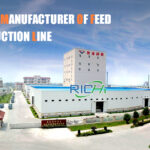
When selecting feed pellet plant in Uzbekistan or related feed machinery, choosing a reliable supplier with global experience is crucial. RICHI, a professional global feed and pellet machinery manufacturer, has rich experience in supporting agricultural projects in Central Asian countries, providing customized solutions that adapt to local raw materials and policy requirements.
RICHI’s feed pellet plants and machines are designed with energy efficiency and easy operation in mind, suitable for Uzbekistan’s industrial environment and technical proficiency levels. The company offers a full range of products, from small-scale cattle and poultry feed pellet machines to large-scale integrated feed production lines, all complying with international quality standards. Additionally, RICHI provides one-stop services including on-site investigation, line design, installation, and after-sales training, ensuring smooth operation for local clients and supporting Uzbekistan’s livestock industry development. (hop over to these guys)
Key Considerations for Choosing Feed Pellet Equipment in Uzbekistan
To select the most suitable feed pellet plant and related equipment in Uzbekistan, the following factors should be considered:
- Local Adaptability: Prioritize equipment that can efficiently process local raw materials (wheat, corn, alfalfa) and adapt to the operational scale of local farms. Consider the government’s preferential policies for agricultural equipment imports to reduce investment costs.
- Breeding Purpose: Clarify the target animal species (poultry, cattle, sheep) to select the right feed pellet machine type and production line configuration. For export-oriented poultry breeding, choose equipment that meets strict feed quality and safety standards.
- Supplier Reliability: Choose suppliers like RICHI with global project experience and comprehensive after-sales services, ensuring timely supply of spare parts and technical support to avoid production interruptions.
Conclusion: Feed Pellet Plant in Uzbekistan & Agricultural Development
Feed pellet plant in Uzbekistan plays a vital role in promoting the country’s livestock industry modernization, improving feed quality, and supporting agricultural export growth. Matching it with specialized feed pellet machines and integrated production lines can form a comprehensive feed production system, meeting diverse breeding needs.
By leveraging RICHI’s global expertise and localized solutions for Uzbekistan, businesses can obtain high-performance feed pellet equipment tailored to local needs. This not only supports efficient and cost-effective feed production but also helps seize opportunities brought by the country’s supportive agricultural policies, contributing to the sustainable development of Uzbekistan’s agriculture and livestock industry.


