

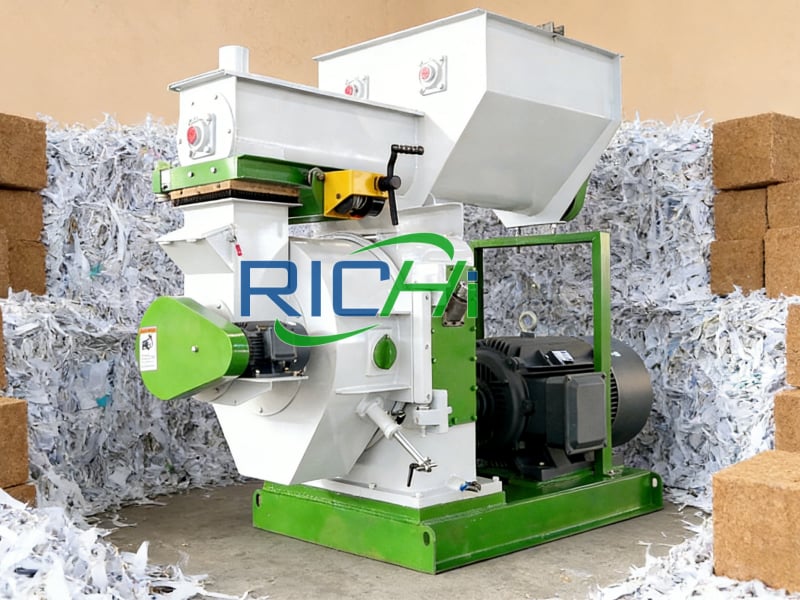
As global industries push toward circular economy models, waste paper recycling is no longer limited to pulping and reprocessing. An increasing number of manufacturers are turning paper waste into solid fuel and industrial pellets using a professional paper pellet machine. This approach transforms low-value paper residues into standardized pellets that are easy to store, transport, and utilize.
Paper pellet production is becoming an important supplement to traditional biomass pellet markets, especially in regions with abundant paper waste and rising energy costs.
Why Waste Paper Is Suitable for Pelletizing
Waste paper is widely available from packaging plants, printing facilities, logistics centers, and municipal recycling systems. Compared with raw wood, paper waste has already undergone fiber processing, making it easier to crush and densify under the right conditions.
Once pelletized, paper pellets achieve higher bulk density and more consistent combustion performance. Many operators researching alternative fuels often say, go to my blog, to see real operational data proving that paper pellets can effectively replace part of traditional biomass fuel in industrial boilers.
How a Paper Pellet Machine Works
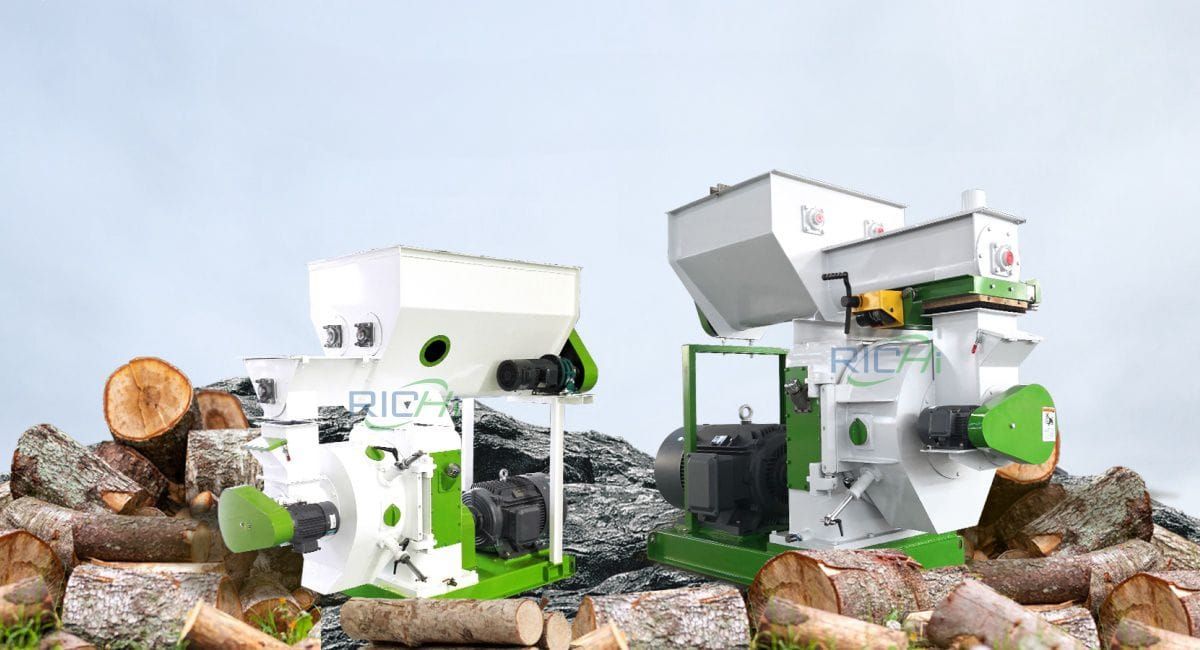
A paper pellet machine compresses shredded paper under high pressure, using mechanical force and friction to form dense pellets. Depending on the paper type, binders may be unnecessary, as residual lignin and fiber bonding help pellets maintain their shape.
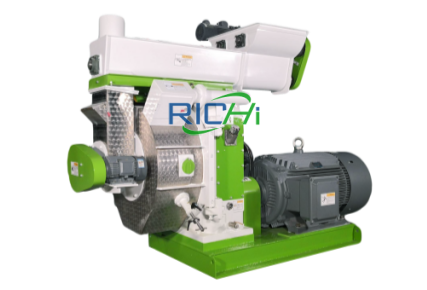
Moisture control is critical in paper pellet production. Excess moisture leads to poor pellet formation, while overly dry material increases dust and die wear. A well-designed system balances these factors to ensure stable output and consistent pellet quality.
(Related Post: https://biomasspelletizer.com/paper-pellet-machine/)
Paper Pellets Compared with Other Biomass Pellets
Paper pellets differ from wood and agricultural pellets in both composition and application. While wood pellets rely heavily on natural lignin, paper pellets benefit from processed fibers that compress easily.
In some industrial settings, paper pellets are blended with other biomass fuels to optimize combustion. Producers who already operate systems such as an industrial bagasse pellet machine for sale often find that paper pellets can be integrated into existing fuel strategies, expanding raw material flexibility and reducing dependence on a single feedstock.
Applications of Paper Pellets
Paper pellets are mainly used as industrial boiler fuel, supplementary biomass fuel in power plants, and alternative energy sources for cement and manufacturing industries. In certain regions, they are also used for waste-to-energy projects that focus on reducing landfill volume.
Due to their uniform size and stable feeding characteristics, paper pellets work well in automated combustion systems. This makes them attractive to industrial users seeking consistent fuel performance with minimal handling issues.
Building a Paper Pellet Production Line
A complete paper pellet production setup typically includes shredding, drying, pelletizing, cooling, screening, and packaging. Shredding ensures uniform particle size, while drying stabilizes moisture for optimal pellet formation.
Some producers use multifunctional equipment originally designed as a wood pellet making machine, adjusting die design and compression parameters to handle paper-based materials. This flexibility allows manufacturers to process multiple raw materials within one facility.
Economic Benefits of Paper Pellet Production
From a cost perspective, paper pellet production offers strong advantages. Raw material costs are often low, and in some cases, waste paper generators are willing to supply material at minimal cost to reduce disposal expenses.
Pelletizing adds significant value by converting waste into a marketable fuel product. Transportation and storage costs are also reduced due to higher density and standardized pellet size. Over time, these benefits improve overall operational profitability.
Environmental Impact and Sustainability
Using paper pellets supports waste reduction and landfill diversion. Instead of decomposing and generating methane emissions, waste paper is repurposed as a controlled energy source.
For companies aiming to improve their sustainability profile, paper pellet production aligns with environmental regulations and corporate responsibility goals. It also supports broader renewable energy strategies by supplementing traditional biomass resources.
Choosing the Right Paper Pellet Machine
Selecting the right paper pellet machine requires evaluating die durability, energy consumption, capacity range, and adaptability to different paper grades. Machines designed for continuous industrial operation offer better long-term stability than small-scale units.
Equally important is supplier experience. Manufacturers with knowledge across paper, wood, and agricultural biomass can provide more practical guidance on process optimization and equipment maintenance.
Market Outlook for Paper Pellet Machines
As waste management costs rise and renewable fuel demand increases, paper pellet machines are gaining traction worldwide. Industrial users are actively seeking alternative fuels that are both economical and environmentally responsible.
For recycling companies, energy producers, and manufacturers, investing in paper pellet technology is a strategic step toward diversified raw materials and sustainable growth in a competitive market.