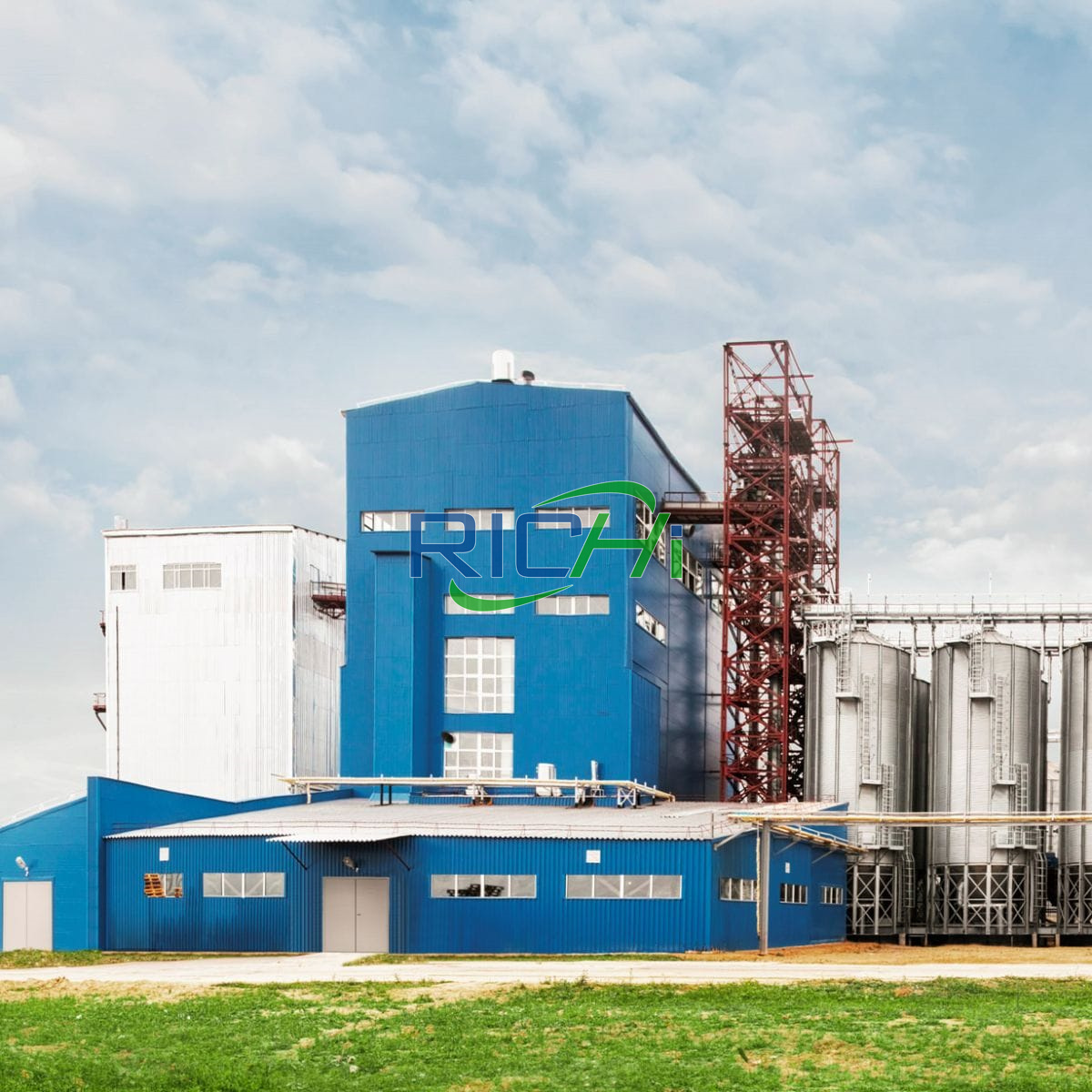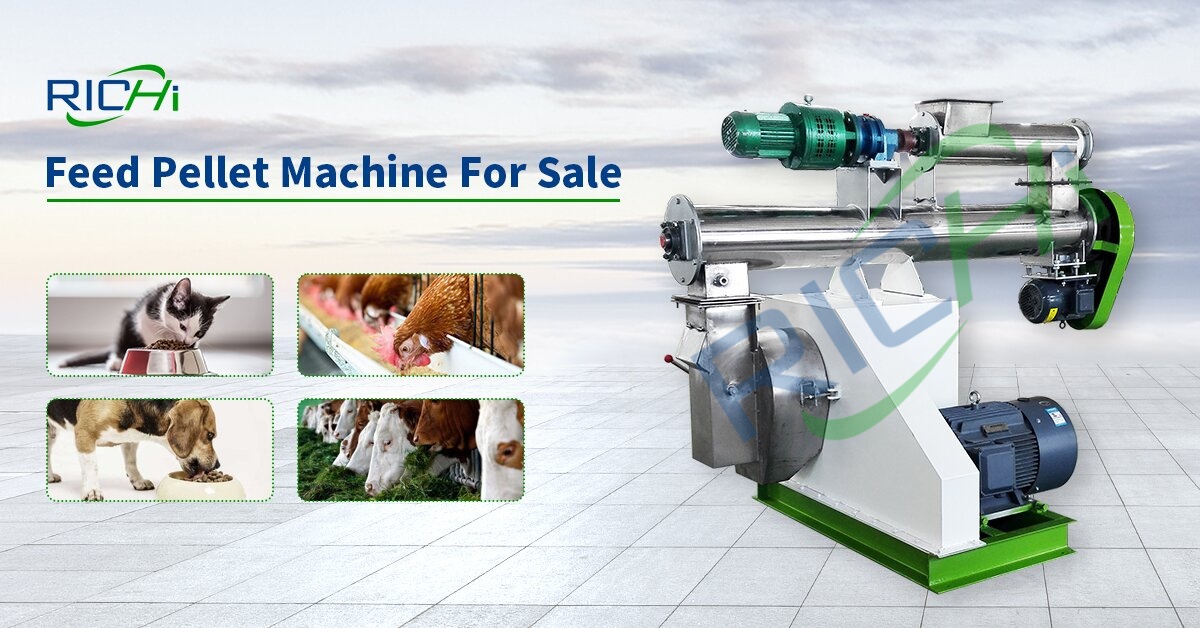
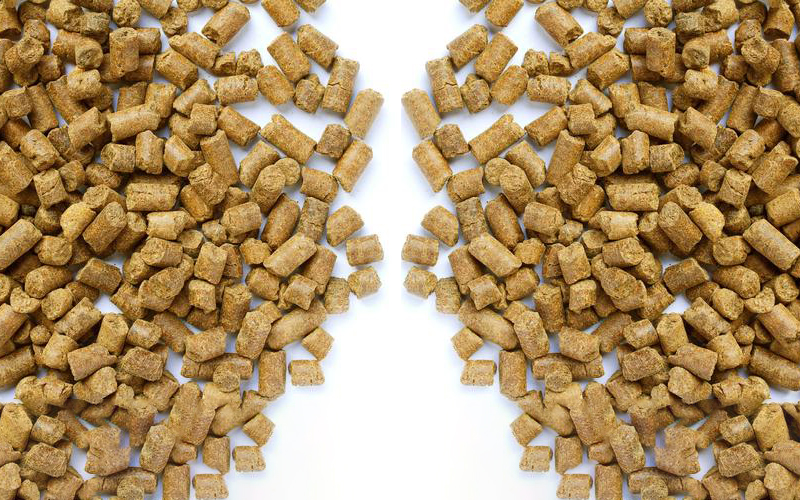
In modern livestock production, feed pellet quality plays a decisive role in determining animal growth performance, feed conversion efficiency, and overall farm profitability. High-quality pellets ensure balanced nutrition, reduce feed waste, and improve animal health, while poor-quality pellets can lead to reduced intake, nutritional imbalance, and economic losses.
As the global demand for meat, dairy, eggs, and aquaculture products continues to rise, feed manufacturers are under increasing pressure to produce stable, durable, and highly nutritious pellets. This makes pellet quality optimization a critical focus in every modern feed processing system, including advanced facilities such as a poultry feed manufacturing plant.
This article explores the key factors that influence feed pellet quality and provides practical strategies to improve it effectively.
1. Understanding What Defines Feed Pellet Quality
Feed pellet quality is determined by several measurable and functional characteristics. These include:
- Pellet durability (resistance to breaking)
- Hardness and density
- Nutritional uniformity
- Moisture content
- Digestibility
- Dust level and fines percentage
- Water stability (for aquatic feed)
High-quality pellets should remain intact during handling, transport, and feeding while maintaining optimal nutritional performance.
2. Selecting High-Quality Raw Materials
The foundation of pellet quality begins with raw materials. Even the most advanced equipment cannot compensate for poor ingredient quality.
Key considerations:
- Use fresh and uncontaminated grains
- Avoid moldy or rancid materials
- Ensure consistent nutrient composition
- Maintain proper storage conditions
- Select ingredients with good binding properties
Common raw materials include corn, soybean meal, wheat bran, rice bran, fish meal, and alfalfa. Each must meet strict quality standards to ensure consistent pellet output.
In a poultry feed manufacturing plant, raw material quality is especially critical because poultry are highly sensitive to feed consistency and nutrient balance.
3. Optimizing Grinding Particle Size
Particle size plays a major role in pellet formation and durability.
Why particle size matters:
- Fine particles improve pellet binding
- Uniform particles ensure consistent mixing
- Overly coarse particles reduce pellet density
- Extremely fine particles may increase energy consumption
For poultry feed, grinding is typically finer than for ruminant feed. Proper control of hammer mill screens and grinding speed ensures optimal particle size distribution.
4. Improving Mixing Uniformity
Even distribution of nutrients is essential for pellet quality.
Mixing improvements include:
- Using high-efficiency horizontal mixers
- Extending mixing time when necessary
- Ensuring correct loading ratios
- Adding micro-ingredients in premix form
- Preventing ingredient segregation
Poor mixing leads to uneven nutrient distribution, which directly affects animal growth performance and feed efficiency.
5. Controlling Moisture Content
Moisture is one of the most important factors in pellet quality.
Optimal moisture levels:
- Too low: pellets become brittle and break easily
- Too high: pellets become soft, sticky, or mold-prone
During conditioning, moisture is carefully controlled using steam injection systems. This process improves starch gelatinization and enhances pellet binding strength.
In modern systems such as a poultry feed manufacturing plant, precise moisture control is achieved through automated conditioning units.
https://pelletisingmachine.com/poultry-feed-production-line
6. Enhancing Conditioning Process Efficiency
Conditioning is the process of treating feed mash with steam before pelletizing.
Benefits of proper conditioning:
- Improves pellet durability
- Increases digestibility
- Reduces bacterial contamination
- Enhances starch gelatinization
- Improves fat binding
Key parameters include temperature, moisture, and retention time. Poultry feed typically requires higher conditioning temperatures to achieve optimal pellet quality.
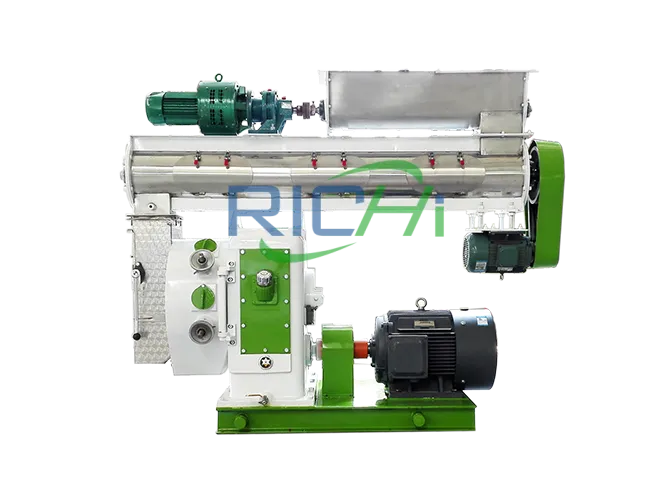
7. Selecting the Right Pellet Mill
The pellet mill is the core equipment that determines final pellet quality.
Important factors include:
- Die compression ratio
- Roller pressure stability
- Motor power and torque
- Wear resistance of die and rollers
- Feeding system consistency
A higher compression ratio generally produces denser and more durable pellets, but excessive compression can reduce efficiency or increase energy consumption.
(Learn more about high-efficiency chicken feed pellet making machine)
8. Die and Roller Maintenance
The die and rollers are the most critical wear components in pellet production.
Maintenance strategies:
- Regular inspection for wear and cracks
- Timely replacement of worn parts
- Proper lubrication of bearings
- Cleaning residue buildup after production
- Using high-quality alloy steel dies
Worn dies produce irregular pellets and increase fines, reducing overall product quality.
9. Controlling Pelletizing Temperature
Temperature during pellet formation affects both physical quality and nutritional value.
Effects of temperature:
- Improves starch gelatinization
- Enhances binding properties
- Reduces harmful microorganisms
- Increases pellet hardness
However, excessively high temperatures can damage heat-sensitive nutrients such as vitamins and enzymes. Therefore, balancing temperature is essential.
10. Cooling Process Optimization
After pelletizing, pellets must be cooled properly to stabilize their structure.
Cooling benefits:
- Reduces moisture content
- Increases hardness and durability
- Prevents mold growth
- Improves storage stability
Counterflow coolers are commonly used in industrial feed production systems. Proper airflow and cooling time are critical for achieving uniform pellet quality.
11. Reducing Fines and Improving Screening Efficiency
Fines (broken pellet particles) reduce feed quality and increase waste.
Solutions include:
- Adjusting die compression ratio
- Improving pellet mill alignment
- Enhancing cooling efficiency
- Using high-quality raw materials
- Optimizing transportation systems
Screening systems remove broken particles and ensure only high-quality pellets are packaged.
12. Improving Formulation Design
Feed formulation directly affects pellet quality.
Key formulation principles:
- Balance protein, energy, and fiber levels
- Include proper binding agents (wheat, starch)
- Avoid excessive fat before pelleting
- Adjust formulations for animal species
For example, poultry feed requires high-energy, highly digestible formulations, which is why a poultry feed manufacturing plant typically focuses on precision formulation systems to ensure consistent output quality.
13. Using Additives to Enhance Pellet Quality
Modern feed production often includes functional additives to improve pellet performance.
Common additives:
- Binders (improve pellet hardness)
- Enzymes (improve digestibility)
- Probiotics (enhance gut health)
- Antioxidants (prevent nutrient oxidation)
These additives help improve both physical and nutritional quality.
14. Automation and Process Control Systems
Automation significantly improves consistency in pellet production.
Advantages:
- Real-time monitoring of temperature and moisture
- Automated ingredient dosing
- Reduced human error
- Stable production output
- Improved quality consistency
Modern systems in a poultry feed manufacturing plant often use PLC-based control systems to ensure precise control over every stage of production.
15. Transportation and Handling Improvements
Even high-quality pellets can be damaged if improperly handled.
Best practices include:
- Using gentle conveying systems
- Minimizing drop heights during transfer
- Reducing mechanical vibration
- Using durable packaging materials
Proper handling ensures pellets maintain integrity from production to final use.
16. Regular Quality Testing and Monitoring
Continuous testing ensures pellet quality remains stable.
Key tests include:
- Pellet durability index (PDI)
- Moisture content analysis
- Nutritional composition testing
- Hardness measurement
- Fines percentage evaluation
Data-driven quality control helps manufacturers make timely adjustments.
17. Energy Efficiency and Its Impact on Quality
Energy efficiency is closely related to pellet quality.
Improvements include:
- Optimizing motor load
- Reducing unnecessary energy loss
- Using energy-efficient grinders and pellet mills
- Improving heat recovery systems
Efficient energy use often leads to more stable production conditions and better pellet quality. (look at here now)
18. Training and Operator Skill Development
Human factors play a major role in feed production quality.
Operator responsibilities:
- Monitoring equipment performance
- Adjusting process parameters
- Identifying quality issues early
- Maintaining equipment properly
Well-trained operators ensure consistent and high-quality production output.
19. Environmental Control in Production Facilities
Environmental conditions affect feed quality.
Important factors:
- Humidity control in storage areas
- Temperature stability in production halls
- Dust management systems
- Clean production environment
A controlled environment reduces contamination and improves feed stability.
Conclusion
Improving animal feed pellet quality requires a comprehensive approach that includes raw material selection, grinding optimization, precise mixing, moisture control, conditioning, pelletizing efficiency, cooling, and proper handling.
Each stage of production must be carefully controlled to ensure consistency and durability. Advanced systems such as a poultry feed pellet plant demonstrate how modern technology, automation, and scientific formulation work together to produce high-quality feed pellets that support efficient livestock growth.
In today’s competitive agricultural industry, pellet quality is not just a technical requirement—it is a key factor that determines farm productivity, profitability, and long-term success.