
Modern poultry farming has evolved into one of the most efficient and technologically advanced agricultural industries in the world. With the global population continuing to grow and demand for affordable protein increasing rapidly, poultry farms are under constant pressure to improve productivity, reduce costs, and maintain high standards of animal health and food safety. Among all the factors that influence poultry farming success, feed production stands out as one of the most critical.
Feed is the foundation of poultry production because it directly affects bird growth, egg production, feed conversion ratio, flock health, and overall farm profitability. In fact, feed costs often account for more than 60% of the total expenses in commercial poultry farming. As a result, modern farms are increasingly investing in their own feed production systems to gain better control over feed quality, reduce operating costs, and improve farm efficiency.
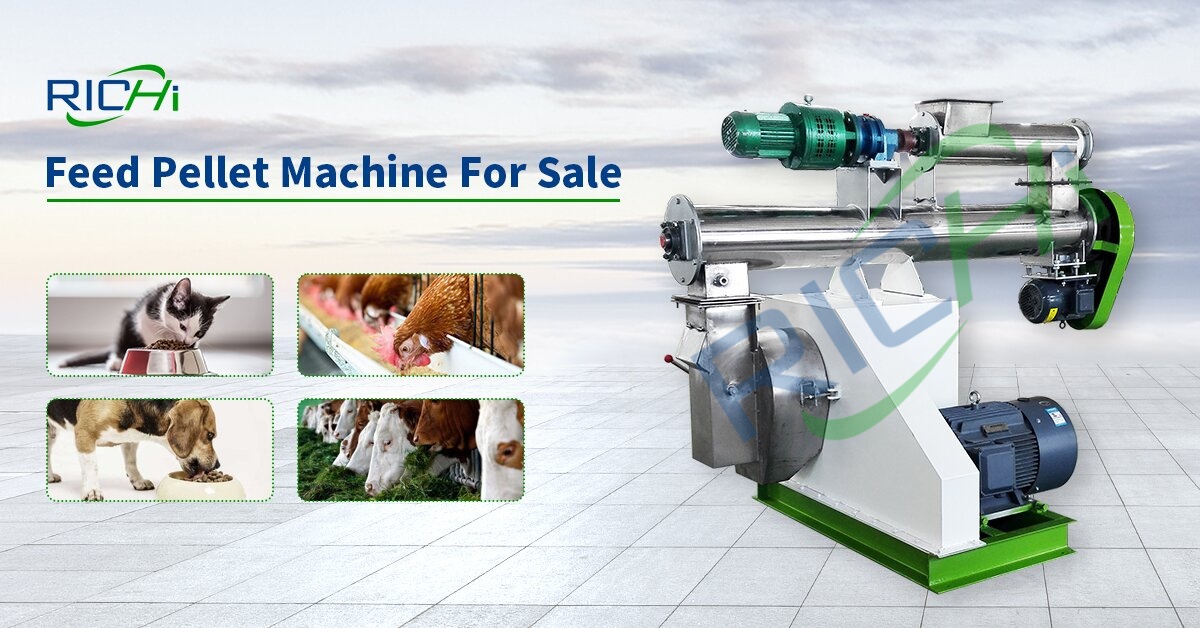
Advanced equipment such as the chicken feed pellet mill has transformed poultry feed manufacturing by enabling farms to produce high-quality pellet feed efficiently and consistently. Pelletized poultry feed improves nutrient utilization, reduces waste, enhances bird performance, and supports large-scale commercial farming operations. Modern poultry farms now recognize that efficient feed production is not simply an optional process but an essential component of successful farm management.
One of the most important reasons poultry feed production is important for modern farms is because it allows precise nutritional control. Different poultry species and production stages require different nutritional formulations. Broiler chickens need high-energy and high-protein diets to support rapid muscle growth, while laying hens require balanced calcium and mineral levels for egg production. Chicks require nutrient-rich starter feeds to support early development and immune system strength.
When farms rely entirely on commercial feed suppliers, they may face inconsistent feed quality, fluctuating prices, and limited flexibility in feed formulation. Producing feed on-site allows poultry farmers to customize feed formulas according to the specific needs of their birds. This improves bird performance and ensures that nutritional requirements are met accurately at every stage of production.
Feed quality directly affects poultry growth and productivity. Poor-quality feed may contain imbalanced nutrients, contaminants, or poorly digestible ingredients, leading to slower growth, reduced egg production, poor feed conversion, and increased disease risk. By controlling the feed production process, farms can carefully select raw materials such as corn, soybean meal, wheat bran, fish meal, vitamins, and minerals to ensure high nutritional standards.
The chicken feed pellet mill plays a major role in improving feed quality and efficiency. This machine compresses powdered feed ingredients into compact pellets through mechanical pressure and controlled processing conditions. Pelletized feed offers several advantages compared with mash feed. Poultry consume pellets more easily and consistently, reducing selective feeding behavior and ensuring balanced nutrient intake. (Learn more about efficient poultry feed pellet machine price)
Pelletized feed also improves feed conversion ratio, which is one of the most important indicators of poultry farm efficiency. Feed conversion ratio measures how much feed is required to produce a certain amount of meat or eggs. Better feed conversion means lower feed costs and higher profitability. Pellets improve nutrient digestibility because the heat and pressure generated during pelletizing partially break down starches and proteins, making nutrients easier for poultry to absorb.
Another important advantage of pellet feed is reduced feed waste. Powdered feed can easily scatter during feeding, especially in large commercial poultry houses. Birds may also selectively eat preferred ingredients while leaving behind less desirable particles, causing nutritional imbalance and waste. Pellets are more stable and uniform, minimizing feed loss and improving feeding efficiency. Even small reductions in feed waste can generate significant cost savings for large poultry farms.
Feed hygiene and biosecurity are also improved through poultry feed production. Raw agricultural materials may contain bacteria, fungi, parasites, or harmful microorganisms that can negatively affect poultry health. During the pelletizing process in the chicken feed pellet mill, feed materials are exposed to heat, moisture, and pressure that help destroy many harmful pathogens. Improved feed sanitation reduces disease outbreaks and supports healthier flocks.
Healthy poultry are more productive and require fewer medications and treatments. Better feed quality strengthens bird immunity, improves stress resistance, and enhances overall flock performance. Lower disease rates also reduce mortality and improve economic returns for poultry farms.
Modern poultry farming depends heavily on efficiency because profit margins can be relatively small, especially in highly competitive markets. Producing feed on-site gives farms greater control over production costs and reduces dependence on external suppliers. Commercial feed prices often fluctuate due to transportation costs, raw material shortages, and market volatility. Farms with their own feed production systems can purchase raw materials strategically and maintain more stable operating expenses.
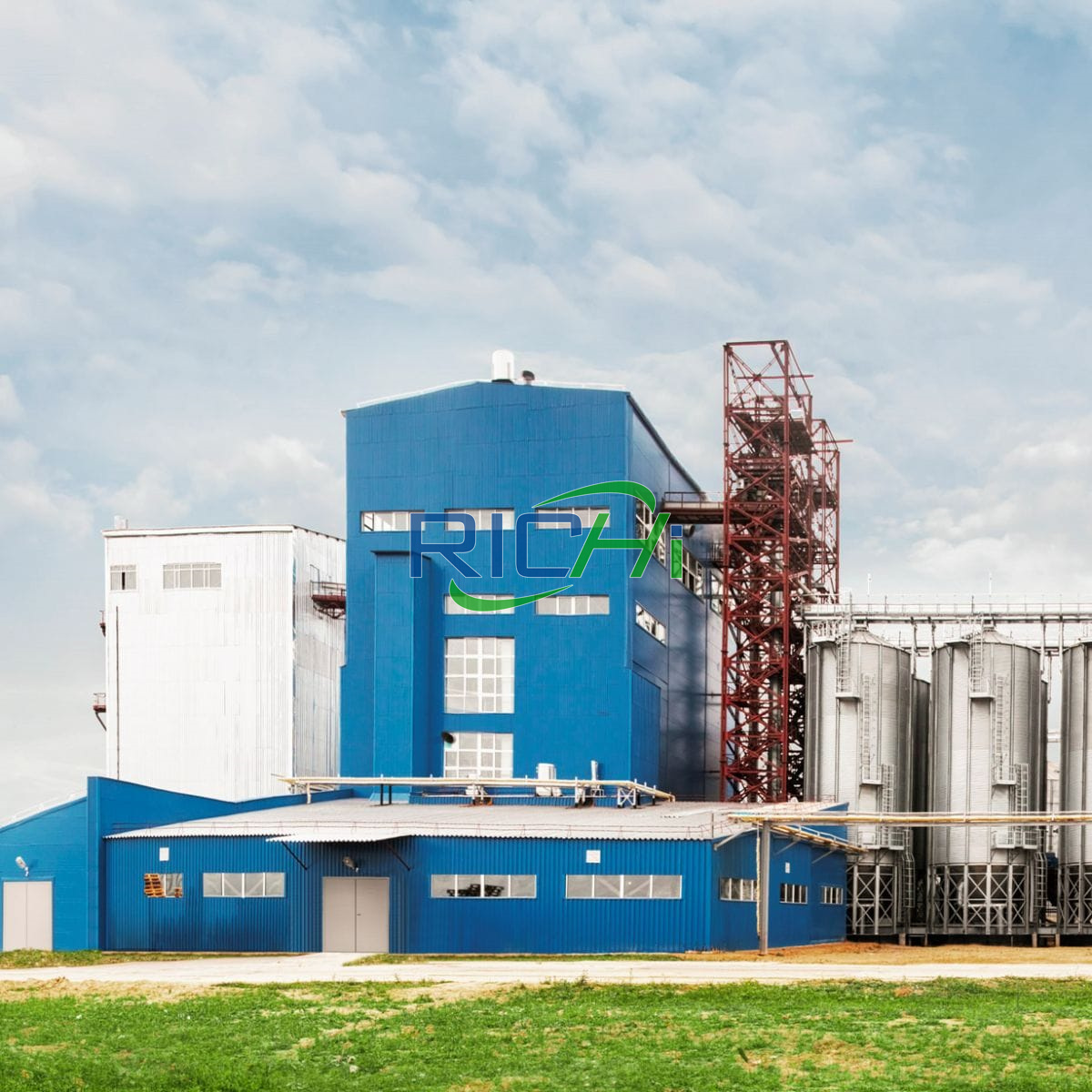
The chicken feed pellet mill supports large-scale feed production with consistent quality and high efficiency. Modern pellet mills are designed for continuous operation and can process large quantities of feed ingredients quickly. High-capacity production systems allow farms to maintain stable feed supplies while reducing labor costs and improving operational efficiency. (Learn More Here)
Automation has become another major factor driving the importance of poultry feed production. Modern feed production lines integrate grinding, mixing, pelletizing, cooling, screening, and packaging into one continuous process. Automated control systems monitor moisture, temperature, pellet size, and production flow to maintain stable feed quality.
Automation reduces human error and labor requirements while increasing production accuracy and consistency. Computerized feed formulation systems can calculate exact ingredient ratios according to nutritional standards, bird age, and production goals. This level of precision improves poultry performance and reduces unnecessary feed costs.
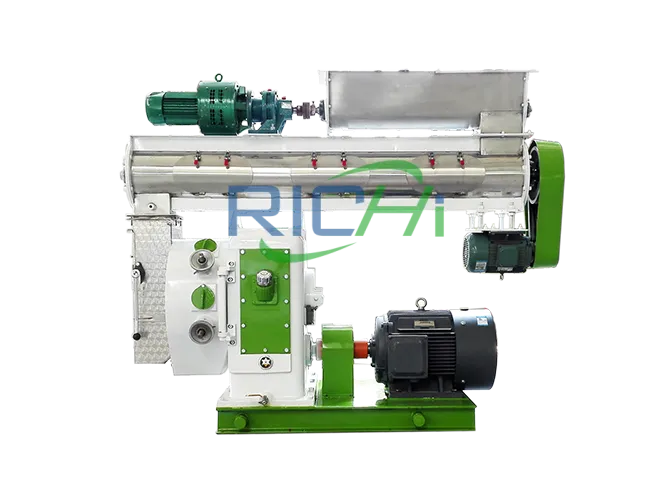
The chicken feed pellet mill is especially important in automated feed systems because it serves as the core machine that determines pellet quality and production capacity. Advanced pellet mills include durable dies, optimized roller systems, energy-efficient motors, and intelligent monitoring systems that improve machine reliability and reduce maintenance requirements.
Energy efficiency is another important consideration for modern poultry farms. Feed manufacturing requires electricity for grinding, mixing, pelletizing, and cooling operations. Efficient feed production equipment helps reduce energy consumption while maintaining high output capacity. Lower energy usage reduces production costs and supports more sustainable farming practices.
Environmental sustainability is becoming increasingly important in poultry farming, and efficient feed production contributes significantly to reducing environmental impact. Better feed conversion means less feed is required to produce meat and eggs, which reduces pressure on agricultural land and natural resources. Improved nutrient utilization also reduces nutrient waste in poultry manure, lowering environmental pollution.
Feed production systems can also utilize locally available agricultural products and by-products, supporting circular agriculture and reducing transportation-related emissions. Corn, rice bran, cassava, sunflower meal, wheat bran, and other regional materials can be incorporated into poultry feed formulations depending on availability and nutritional value.
Storage and transportation efficiency are additional benefits of pellet feed production. Pelletized feed has higher density than mash feed, allowing larger quantities to be stored in smaller spaces. Pellets are easier to handle, transport, and distribute within poultry farms. Improved storage stability also reduces spoilage and nutrient loss during long-term storage.
As poultry farms become larger and more industrialized, consistency becomes increasingly important. Uneven feed quality can lead to inconsistent bird growth, poor flock uniformity, and management difficulties. On-site feed production systems help ensure consistent feed composition and pellet quality throughout the production cycle.
Large poultry companies often operate integrated farming systems where feed production, poultry raising, processing, and distribution are all managed together. In these systems, the chicken feed pellet mill becomes a critical part of the overall production chain because feed quality directly influences the efficiency and profitability of the entire operation.
Technological innovation continues to improve poultry feed manufacturing systems. Modern pellet mills are more durable, efficient, and automated than ever before. Smart control systems can monitor machine performance in real time and adjust operating conditions automatically to maintain optimal pellet quality. Predictive maintenance technologies may soon allow farms to identify equipment problems before failures occur, reducing downtime and repair costs.
Future poultry feed production may also involve new feed ingredients and advanced nutritional technologies. Alternative protein sources such as insect meal, algae, and fermentation-based proteins are being explored as sustainable alternatives to traditional soybean meal and fish meal. Precision nutrition systems may allow farms to optimize feed formulas based on genetic data, environmental conditions, and bird health monitoring.
The global poultry industry is expected to continue expanding due to rising population, urbanization, and increasing demand for affordable animal protein. This growth will place even greater importance on efficient feed production systems. Farms that can produce high-quality feed efficiently will have a significant competitive advantage in terms of production cost, bird performance, and profitability.
The chicken feed pellet machine will remain one of the most important technologies supporting modern poultry farming because pelletized feed continues to offer clear advantages in feed efficiency, bird growth, and farm management. As pellet mill technology advances further, feed production systems will become even more reliable, automated, and energy efficient.
Poultry feed production is far more than simply mixing ingredients together. It is a highly organized and scientifically managed process that directly influences every aspect of poultry farming success. Efficient feed production improves bird growth, feed conversion, flock health, production stability, and economic performance.
By investing in modern feed manufacturing systems and advanced equipment such as the chicken feed pellet mill, poultry farms can gain greater control over feed quality, reduce production costs, improve operational efficiency, and strengthen long-term competitiveness. As the poultry industry continues evolving toward larger-scale and more technologically advanced operations, poultry feed production will remain one of the most essential foundations of successful modern farming.