Poultry feed quality is one of the most important factors determining the success of modern poultry farming. Whether a farm produces broilers, layers, or breeders, the quality of feed directly affects growth rate, egg production, feed conversion efficiency, immunity, and overall profitability. In today’s competitive agricultural industry, improving poultry feed quality is no longer optional—it is essential for sustainable and efficient farming.
High-quality poultry feed ensures that birds receive balanced nutrition in every bite, leading to better performance and lower production costs. Poor-quality feed, on the other hand, can cause slow growth, disease outbreaks, uneven flock development, and high mortality rates. For this reason, feed manufacturers and farmers are constantly looking for effective ways to improve feed quality through better raw materials, optimized formulations, advanced processing techniques, and modern machinery such as the poultry feed pellet machine.
Improving poultry feed quality requires attention to every stage of production, from raw material selection to final pellet processing. It is a combination of science, technology, and management practices that work together to produce consistent, nutritious, and highly digestible feed.
One of the most important factors in improving poultry feed quality is selecting high-quality raw materials. Feed ingredients form the foundation of nutrition, and any deficiencies or contamination at this stage will directly affect final feed performance. Common poultry feed ingredients include corn, soybean meal, wheat bran, rice bran, fish meal, limestone, salt, vitamins, and mineral premixes.
Each ingredient serves a specific nutritional purpose. Corn provides energy, soybean meal supplies protein, fish meal improves amino acid balance, and limestone provides calcium for eggshell formation. To improve feed quality, it is essential to ensure that all raw materials are fresh, free from mold, and properly stored to prevent spoilage.
Moisture content in raw materials must also be carefully controlled. High moisture levels can lead to mold growth, toxin formation, and nutrient degradation. Using properly dried and stored ingredients significantly improves feed safety and nutritional value.
Another key factor in improving poultry feed quality is precise feed formulation. A scientifically balanced feed formula ensures that poultry receive the correct amounts of protein, energy, vitamins, and minerals according to their growth stage. For example, starter feed for chicks must contain higher protein levels to support rapid development, while layer feed must include sufficient calcium for egg production.
Modern feed formulation relies on nutritional science and computer-based modeling to ensure accuracy. Even small imbalances in nutrient composition can negatively affect bird performance. Therefore, precision in formulation is essential for producing high-quality feed.
Particle size control is another important aspect of feed quality improvement. Before ingredients are mixed, they must be ground into fine and uniform particles. If particle sizes are too large, poultry may have difficulty digesting feed efficiently. If particles are too fine, feed may become dusty and difficult to process into pellets.
Grinding equipment such as hammer mills is used to achieve consistent particle size. Uniform particle distribution improves mixing efficiency and ensures that nutrients are evenly distributed throughout the feed.
Proper mixing is also critical for improving feed quality. Even if high-quality ingredients are used, poor mixing can lead to nutrient imbalance in the final feed. High-efficiency mixers ensure that all ingredients, including micro-ingredients such as vitamins and minerals, are evenly distributed.
Uniform mixing ensures that every portion of feed contains the same nutritional composition. This is especially important in large-scale poultry production, where consistency directly affects flock performance.
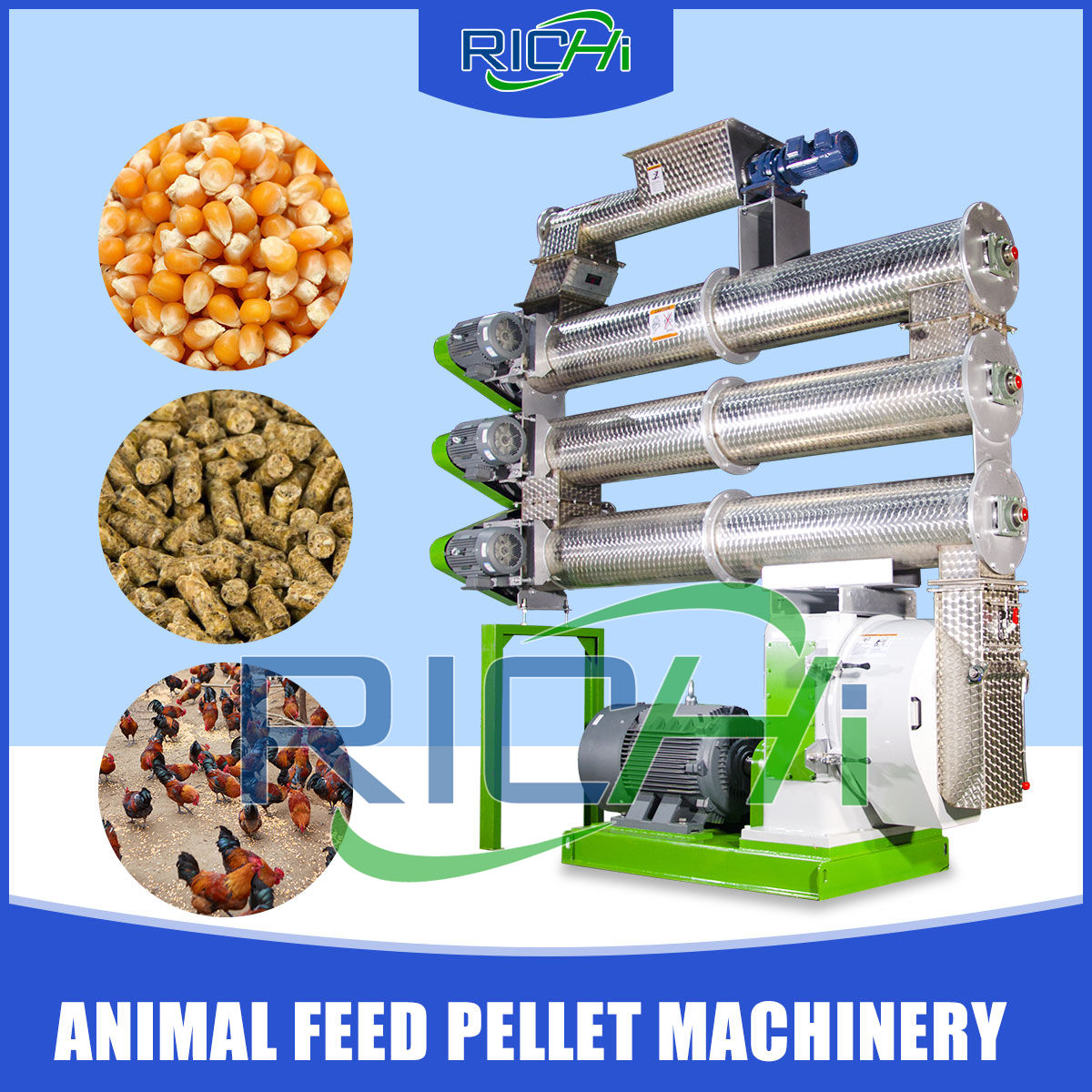
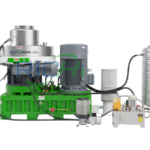
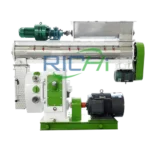
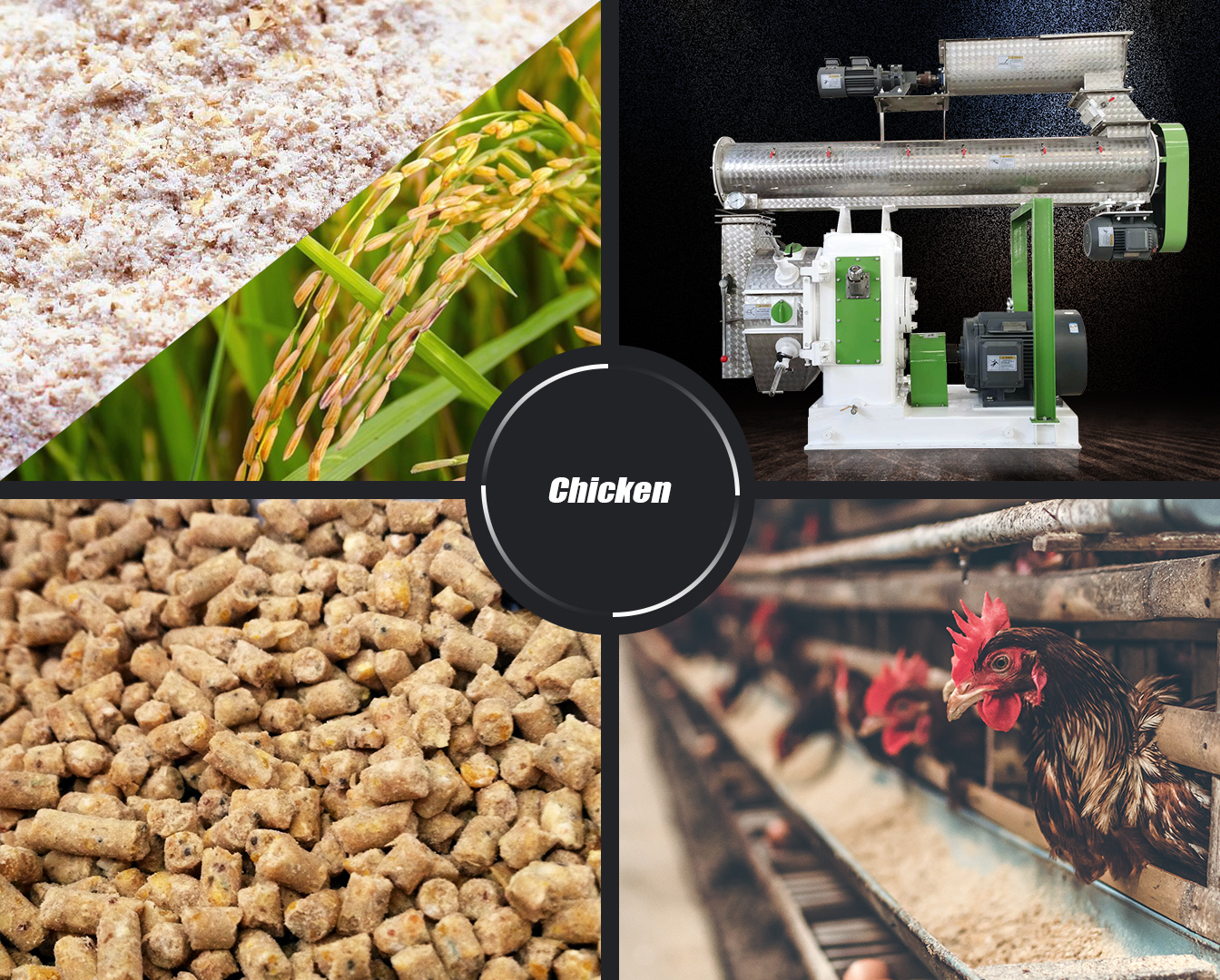
One of the most important technological tools for improving feed quality is the poultry feed pellet machine. This machine transforms powdered feed into compact, uniform pellets through mechanical pressure, heat, and conditioning. Pelletizing significantly enhances feed quality in multiple ways.
First, pellet feed improves feed intake. Poultry prefer pellets over mash feed because they are easier to consume and reduce feeding time. Birds are more likely to eat balanced feed when it is in pellet form, reducing selective feeding behavior.
Second, pellet feed improves feed conversion efficiency. The process of pelletizing alters the physical structure of feed ingredients, making nutrients more digestible. Heat and pressure help break down starches and proteins, allowing birds to absorb nutrients more efficiently. This leads to faster growth and improved production performance.
Third, pellet feed reduces feed waste. Mash feed can easily scatter during feeding, especially in large poultry farms. Pellets are more stable and less likely to be wasted, improving overall feed utilization and reducing production costs.
The poultry feed pellet machine also plays an important role in improving feed hygiene. During the pelletizing process, feed is exposed to high temperature and pressure, which helps reduce harmful bacteria, fungi, and pathogens. This improves feed safety and reduces the risk of disease transmission among poultry.
https://richipelletizer.com/poultry-feed-pellet-machine-price
Another important factor in improving poultry feed quality is conditioning. Before pelletizing, feed is treated with steam and moisture to soften materials and improve binding properties. Conditioning enhances starch gelatinization and improves pellet durability. It also helps improve feed digestibility and reduces microbial contamination.
Proper conditioning ensures that pellets produced by the poultry feed pellet machine are strong, durable, and nutritionally stable.
Pellet durability is another important quality indicator. High-quality pellets should not break easily during transportation or handling. Weak pellets result in dust formation, which reduces feed efficiency and increases waste. Proper machine settings, raw material quality, and moisture control all contribute to improving pellet durability.
Cooling is also essential in maintaining feed quality. After pelletizing, feed pellets are hot and contain moisture. Cooling systems reduce temperature and stabilize pellet structure. Proper cooling prevents mold growth and nutrient loss during storage.
Screening is another step that improves feed quality. After cooling, pellets are passed through screening equipment to remove broken particles and fines. This ensures uniform pellet size and improves feeding consistency.
Storage conditions also play a major role in feed quality. Even high-quality feed can degrade if stored improperly. Feed should be kept in dry, cool, and well-ventilated environments to prevent moisture absorption, mold growth, and nutrient loss. Proper packaging also protects feed from contamination and environmental damage.
Automation in feed production is another effective way to improve feed quality. Modern feed production lines integrate grinding, mixing, pelletizing, cooling, and packaging into a fully automated system. Automation reduces human error and ensures consistent production standards.
(Learn more about industrial poultry feed production line)
Computer-controlled systems monitor key parameters such as temperature, moisture, and production speed. This ensures that every batch of feed meets the same quality standards. Automation also improves efficiency and reduces labor costs.
Regular maintenance of equipment is also essential for maintaining feed quality. Machines such as the poultry feed pellet machine must be regularly inspected, cleaned, and serviced to ensure stable performance. Worn parts, such as dies and rollers, should be replaced in time to maintain pellet quality.
Energy efficiency is another factor that indirectly affects feed quality. Efficient machines produce more stable pellets with less energy consumption. Stable operation ensures consistent feed quality and reduces production fluctuations.
Raw material storage management is also important for feed quality improvement. Ingredients should be stored separately, labeled clearly, and protected from moisture and pests. Proper inventory management ensures that only fresh and high-quality materials are used in production.
Feed additives such as enzymes, probiotics, amino acids, and vitamins can also improve feed quality. These additives enhance digestion, boost immunity, and improve nutrient absorption. However, they must be carefully measured and evenly mixed to ensure effectiveness.
Quality control testing is an essential part of feed production. Regular testing of protein content, moisture levels, fiber content, and pellet durability ensures that feed meets nutritional standards. Quality control helps identify production issues early and maintain consistent product quality.
Environmental conditions in the production facility also influence feed quality. Clean, dry, and well-ventilated environments help prevent contamination and maintain equipment performance. Dust control systems improve air quality and reduce cross-contamination risks.
As poultry farming continues to expand globally, the demand for high-quality feed will continue to increase. Farmers and feed producers must adopt advanced technologies and management practices to stay competitive. (discover this)
Future improvements in feed quality will likely involve more intelligent production systems, real-time monitoring, and precision nutrition technologies. Advanced poultry feed pellet machine designs will continue to improve efficiency, durability, and feed performance.
In conclusion, improving poultry feed quality requires a comprehensive approach that includes high-quality raw materials, precise formulation, efficient grinding and mixing, proper conditioning, and advanced pelletizing technology. Among all equipment, the poultry feed pellet machine plays a central role in enhancing feed structure, digestibility, safety, and overall performance.
By focusing on these factors, poultry producers can significantly improve bird health, increase production efficiency, reduce costs, and achieve long-term profitability. High-quality feed is the foundation of successful poultry farming, and continuous improvement in feed production technology will remain essential for the future of the industry.