




The increasing demand for renewable energy has encouraged industries to explore better ways of utilizing agricultural and forestry waste. Around the world, millions of tons of biomass residues are produced every year, including crop straw, grass, rice husks, and wood processing waste.
Although these materials are naturally renewable, they often create environmental challenges when they are burned openly or discarded. Converting them into biomass pellets provides a practical solution that benefits both the environment and the economy.
Biomass pellet production allows companies to transform low-value agricultural waste into standardized fuel products with higher market value. However, the success of such projects depends greatly on production technology, equipment performance, and overall system design.
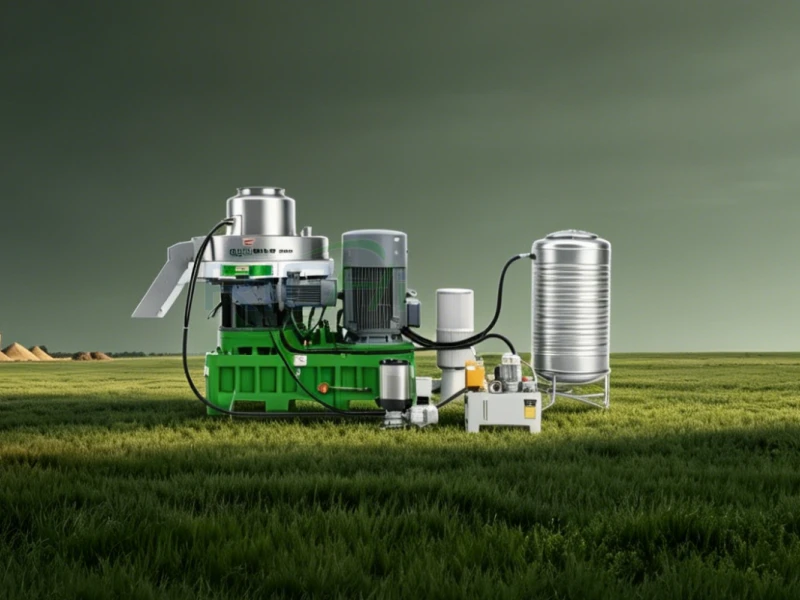
For investors planning to enter the biomass energy industry, selecting efficient pelletizing equipment is a critical step. Advanced equipment such as the vertical ring die pellet mill has become increasingly popular because it offers stable operation, strong compression ability, and excellent adaptability for various biomass materials.
The Opportunity Behind Agricultural Waste Utilization
Agricultural countries generate enormous amounts of biomass resources every year. Straw from wheat, rice, corn, and other crops is widely available but often underutilized.
Traditional disposal methods, such as open burning, can cause air pollution and waste valuable resources. Biomass pellet production provides an alternative approach by converting these residues into useful energy products.
The benefits of agricultural waste pelletizing include:
- Reducing environmental pollution;
- Creating additional income for farmers;
- Supporting renewable energy development;
- Improving resource utilization efficiency.
For entrepreneurs, agricultural waste is not simply a waste material. With the right processing technology, it can become an important business resource.
Understanding the Biomass Pellet Production Process
A successful biomass pellet project requires several interconnected stages. Each stage affects the final pellet quality and production efficiency.
Material Preparation
Raw materials usually contain different particle sizes and moisture levels. Before pelletizing, they must be processed to achieve suitable conditions.
Common preparation steps include:
- Sorting;
- Crushing;
- Drying;
- Mixing.
Proper preparation helps improve pellet density and reduces equipment problems.
(Related Post: https://www.richipelletmill.com/wood-pellet-plant-for-sale/)
Pelletizing
The pelletizing process is where loose biomass particles are compressed into dense cylindrical pellets.
The performance of the pellet machine directly affects:
- Pellet strength;
- Production capacity;
- Energy consumption;
- Equipment lifespan.
Cooling and Screening
Fresh pellets leave the machine at high temperatures. Cooling helps stabilize their structure, while screening removes broken particles and improves product appearance.
Storage and Transportation
Because pellets are used in different markets, proper storage is essential to prevent moisture absorption and maintain quality.
Why Vertical Pellet Technology Fits Modern Biomass Plants
As biomass businesses grow, production requirements become more demanding. Equipment must provide reliable output while reducing operating expenses.
A vertical structure offers several important advantages.
Improved Compression Efficiency
The vertical design allows more balanced pressure distribution during pellet formation. This helps create stronger pellets with better durability.
For commercial fuel markets, pellet quality directly affects customer satisfaction and transportation costs.
Lower Material Feeding Resistance
Traditional feeding methods may require additional mechanical force. Vertical feeding uses gravity to assist material movement, improving efficiency.
This is particularly useful when processing lightweight agricultural materials such as straw and grass.
Convenient Maintenance
Maintenance efficiency is an important consideration for industrial users. Equipment downtime can interrupt production schedules and increase operating costs.
Modern vertical pellet machines are designed with easier access to important components, allowing operators to complete maintenance tasks more efficiently.
Designing a Suitable Straw Pellet Production Project
Different customers have different production goals. Some may only need a small processing system, while others require a large commercial factory.
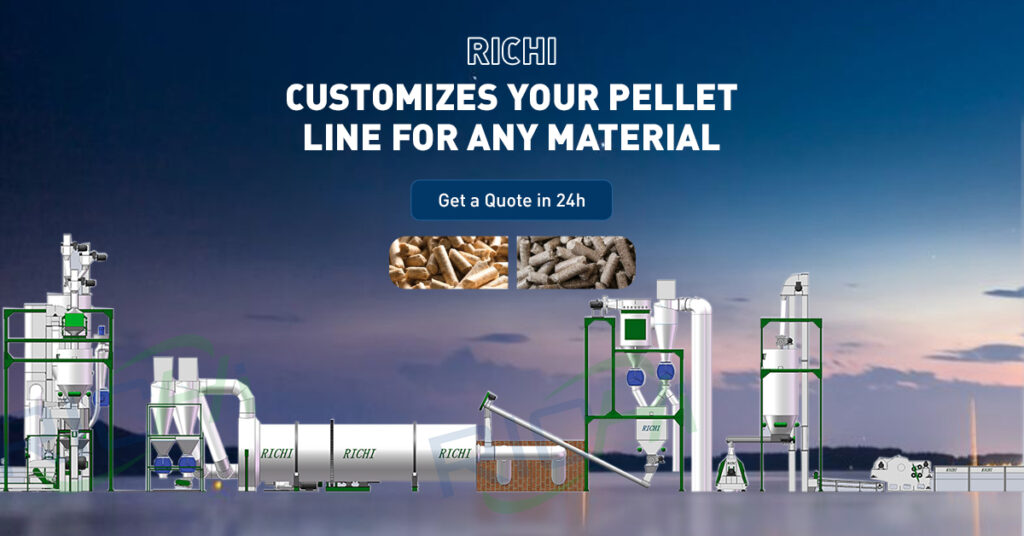
A professional 1-2 T/H straw pellet plant for sale can be suitable for agricultural companies, farms, and small renewable energy businesses that want to utilize locally available straw resources.
For larger commercial operations, production systems can be expanded according to market demand.
A complete straw pellet project normally includes:
- Hammer mill or crusher;
- Drying equipment;
- Pellet mill;
- Cooler;
- Screening machine;
- Packing system.
The configuration should be customized according to:
- Raw material type;
- Moisture content;
- Required capacity;
- Final pellet application.
The Role of Equipment Suppliers in Project Success
Starting a biomass pellet business involves many technical decisions. Choosing the right supplier can reduce risks and improve project performance.
A professional equipment provider should help customers with:
Production Planning
Before equipment selection, suppliers should evaluate raw materials, factory conditions, and expected output.
Customized Engineering
Every biomass project is different. A flexible design approach ensures that equipment matches actual production requirements.
Installation and Training
Proper installation and operator training help customers achieve stable production after commissioning.
Long-Term Technical Support
Reliable after-sales service ensures that customers can maintain production efficiency throughout the equipment lifecycle.
Companies that need professional guidance can explore more technical information from this source and understand how different biomass processing systems are designed.
Experienced manufacturers such as Richi Machinery provide customized biomass pellet solutions for customers worldwide, helping them build efficient production facilities.
How to Improve Profitability in Biomass Pellet Production
Profitability depends on several factors working together.
Secure Local Raw Materials
Transportation costs can significantly affect production expenses. Using nearby biomass resources helps reduce logistics costs.
Optimize Production Capacity
Choosing the correct production scale prevents unnecessary investment while ensuring future growth potential.
Maintain Equipment Regularly
Regular inspection and replacement of wearing parts improve equipment reliability and reduce unexpected downtime.
Develop Stable Markets
A successful pellet business requires both production capability and reliable customers.
Potential markets include:
- Industrial boilers;
- Heating companies;
- Power plants;
- Agricultural users.
Future Development Trends of Biomass Pellet Industry
The biomass pellet industry continues to evolve with new technologies and changing market demands.
Greater Automation
Automation systems will become increasingly common in pellet factories. Intelligent monitoring can improve production control and reduce labor requirements.
More Diverse Raw Materials
Future pellet plants will process a wider range of biomass materials, including agricultural residues, energy crops, and industrial waste.
More Complete Project Services
Customers increasingly prefer suppliers that can provide complete engineering solutions rather than individual machines.
This creates opportunities for manufacturers that combine equipment production with technical expertise.
Why Investors Should Consider Complete Biomass Solutions
A complete production approach allows investors to achieve better coordination between different processing stages.
Instead of purchasing separate machines, a complete solution ensures that:
- Equipment capacity matches each stage;
- Production flow is optimized;
- Installation becomes easier;
- Future expansion is more practical.
For companies planning larger projects, selecting a professional supplier capable of providing a full system can greatly improve investment efficiency.
Choosing the Right Pellet Equipment for Long-Term Growth
The biomass pellet industry has strong development potential, but success requires strategic planning.
Investors should evaluate:
- Local biomass availability;
- Target market demand;
- Equipment performance;
- Operating costs;
- Technical support.
A high-quality pellet production system is not only an investment in machinery but also an investment in long-term business stability.
Modern pellet technologies provide businesses with opportunities to convert renewable resources into profitable products while contributing to environmental protection.
Conclusion
Agricultural waste utilization is becoming an important part of the global renewable energy transition. Through advanced pelletizing technology, materials that were once considered waste can be transformed into valuable biomass fuel.
The pellet maker plays a central role in this transformation by ensuring efficient compression and consistent pellet quality.
With proper planning, reliable equipment, and professional technical support, biomass pellet businesses can achieve stable operation and sustainable growth in the expanding renewable energy market.


