



Introduction: A New Era of Agricultural Resource Utilization
Agriculture has always been the foundation of human development, providing food, raw materials, and economic opportunities. However, modern farming also faces increasing challenges related to waste management, environmental protection, and resource efficiency.
After harvesting corn, large quantities of stalk residues remain in fields. These materials contain valuable organic components but are often underutilized. In many areas, farmers either burn them, leave them to decompose, or use them only for limited applications.
With the development of biomass processing technology, this situation is changing. Agricultural residues are now being recognized as valuable resources that can support renewable energy production.
Corn stalks can be processed into compact biomass fuel pellets through advanced pelletizing technology. These pellets offer advantages such as easy transportation, stable combustion, and convenient storage.
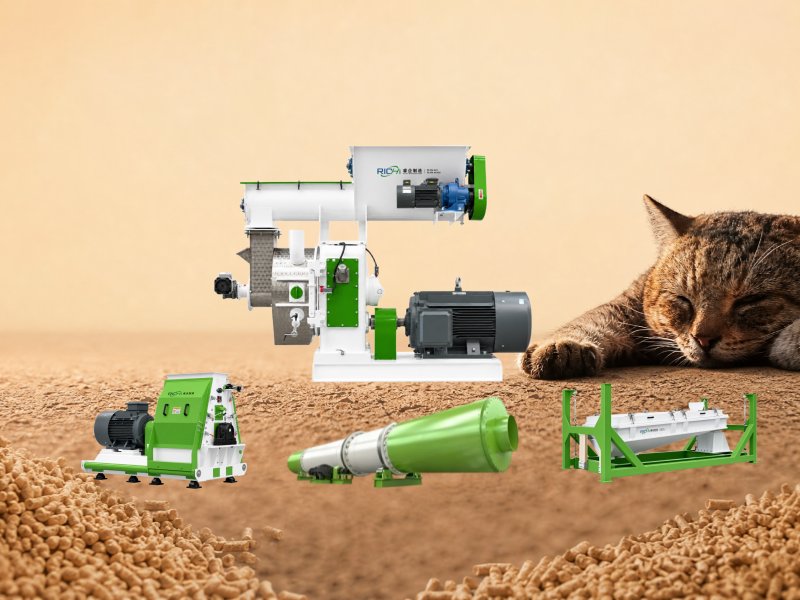
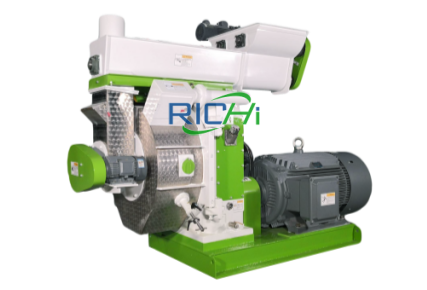
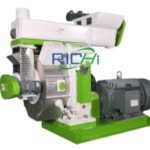
For agricultural businesses and energy investors, establishing a biomass pellet production project provides an opportunity to transform waste materials into profitable products. A modern corn stalk pellet making machine plays a key role in this process by efficiently compressing processed biomass into high-quality fuel pellets.
Why Is Corn Stalk Pellet Production Becoming Popular?
The popularity of agricultural biomass pellet production is driven by several important factors.
Growing Renewable Energy Demand
Industries worldwide are searching for alternatives to traditional fossil fuels. Governments and companies are investing in renewable energy solutions to reduce emissions and improve energy security.
Biomass pellets provide a practical renewable fuel option because they can be produced from locally available agricultural materials.
Increasing Pressure on Agricultural Waste Management
Large-scale farming creates significant amounts of crop residues. Without proper utilization, these materials may become environmental problems.
Pellet production offers a solution by converting agricultural waste into useful energy products.
(Related Post: https://biomasspelletizer.com/hay-pellet-machine-for-sale/)
Additional Income Opportunities for Farmers
Instead of considering corn stalks as waste, farmers can treat them as valuable resources.
Possible revenue sources include:
- Selling collected stalk materials
- Operating biomass processing facilities
- Supplying pellets to local energy users
- Cooperating with renewable fuel companies
This creates additional economic opportunities in agricultural regions.
The Complete Journey from Corn Stalk to Biomass Pellet
Producing high-quality pellets requires several carefully controlled steps.
Step 1: Collecting and Storing Corn Stalks
The first challenge is ensuring a stable raw material supply.
Corn stalk collection usually takes place after harvesting. Since supply is seasonal, proper storage management is essential.
Good storage practices help prevent:
- Moisture absorption
- Mold growth
- Material degradation
A reliable supply chain allows pellet plants to operate throughout the year.
Step 2: Preparing Raw Materials
Before pellet production, corn stalks need preparation.
The preparation process usually includes:
- Removing impurities
- Cutting oversized materials
- Adjusting moisture levels
Proper preparation improves production efficiency and reduces equipment wear.
Step 3: Crushing and Grinding
Large stalk pieces cannot directly enter the pelletizing process. Crushing equipment reduces them into suitable particles.
Uniform particle size helps achieve:
- Better pellet density
- Stronger pellet structure
- More stable production
Step 4: Pelletizing Process
The pelletizing stage is where loose biomass becomes dense fuel.
During this process:
- Biomass particles are compressed
- Natural lignin acts as a binder
- Pellets are formed under pressure
The quality of the pelletizing equipment directly affects output capacity and pellet durability.
Step 5: Cooling and Final Processing
Fresh pellets leave the machine with high temperature. Cooling helps stabilize their structure.
After cooling, pellets can be screened and packaged for transportation.
Selecting Equipment for Different Production Requirements
Different businesses have different production goals. Choosing suitable equipment is essential for project success.
Small Agricultural Projects
Small farms may focus on local fuel production. They usually require compact equipment with simple operation and lower investment costs.
Medium Biomass Businesses
Medium-scale producers often supply local heating markets or industrial customers. They need reliable equipment with balanced production capacity.
Large Commercial Pellet Plants
Large projects require complete production systems with:
- Automated material handling
- Efficient drying systems
- Continuous production capability
- Professional maintenance support
For businesses comparing agricultural biomass equipment options, solutions like 0.5-8 T/H rice straw pellet making machine for sale can provide useful references because rice straw and corn stalks share similar processing requirements.
Key Factors That Influence Pellet Quality
Producing pellets is not only about forming material into shapes. Several factors determine whether the final product meets customer expectations.
Raw Material Characteristics
Different corn stalk sources may vary in:
- Fiber content
- Moisture level
- Particle structure
- Ash content
Understanding raw material properties helps optimize production parameters.
Moisture Control
Moisture affects the bonding process during pellet formation.
Proper moisture levels help produce:
- Stronger pellets
- Lower breakage rates
- Better combustion performance
Compression Performance
The pressure applied during pelletizing determines pellet density and durability.
High-quality equipment should maintain stable compression conditions throughout operation.
How Biomass Pellet Companies Can Improve Competitiveness
The biomass market is becoming increasingly competitive. Companies need effective strategies to improve efficiency and customer value.
Build Strong Raw Material Networks
Long-term cooperation with farmers and agricultural organizations ensures reliable supply.
Improve Production Efficiency
Reducing production costs helps businesses remain competitive.
Important improvement areas include:
- Energy consumption reduction
- Equipment optimization
- Production automation
Focus on Product Quality
Consistent pellet quality helps build customer trust.
Important quality indicators include:
- Pellet durability
- Low dust content
- Stable combustion performance
- Suitable moisture level
The Importance of Professional Equipment Support
A biomass pellet project involves multiple technical decisions. Professional equipment suppliers can help businesses choose suitable configurations.
Support services may include:
- Raw material analysis
- Production line design
- Installation guidance
- Operator training
- After-sales support
Experienced manufacturers understand the differences between agricultural residues and can recommend appropriate processing methods.
Many biomass investors compare technologies from pellet maker suppliers when planning new projects because equipment design directly affects production efficiency and profitability.
Future Trends in Agricultural Biomass Processing
The biomass industry continues evolving with new technologies and market opportunities.
Intelligent Manufacturing
Automation and digital monitoring systems will become increasingly common.
Future pellet plants may include:
- Automatic feeding control
- Real-time production monitoring
- Remote equipment management
Higher Energy Efficiency
Reducing energy consumption will become a major development direction.
New technologies will focus on:
- Efficient drying
- Improved compression systems
- Lower operating costs
Expansion of Biomass Applications
Beyond traditional heating applications, biomass pellets may be used in:
- Industrial energy systems
- Combined heat and power plants
- Sustainable fuel markets
Conclusion: Creating Long-Term Value Through Biomass Innovation
Corn stalk pellet production demonstrates how agricultural waste can become a valuable renewable resource. Through modern processing technology, farmers and businesses can reduce waste, create additional income, and contribute to cleaner energy development.
The future of biomass energy depends on efficient resource utilization, reliable production technology, and sustainable business models.
By selecting suitable equipment, improving processing methods, and understanding market requirements, corn stalk pellet projects can provide long-term benefits for agricultural communities and renewable energy industries.
For companies exploring biomass opportunities, from this source provides additional insights into sustainable pellet production methods and industry development trends.