


Every palm oil mill knows the problem. After the fruit is stripped and the oil is extracted, what remains is a mountain of empty fruit bunches, or EFB. It is wet, fibrous, and bulky. It piles up faster than it can be used. In some places it is burned in open piles, sending smoke into the air. In others it is left to rot, taking up space and attracting pests. For decades, EFB has been treated as a waste product, something to be managed rather than used. But that is changing. Across the palm oil industry, mill operators and entrepreneurs are discovering that EFB is not a liability. It is a resource, and with the right processing, it can become a valuable fuel.
Why EFB Is Difficult to Use
EFB does not behave like other biomass materials. It arrives from the mill with a moisture content of 60% to 70%. It is long and stringy, with individual strands that wrap around machinery. It does not flow through hoppers or augers. It bridges and clogs. It is also abrasive, thanks to the silica content that the palm tree absorbs from the soil. These properties make it difficult to burn directly, difficult to transport, and difficult to process with standard equipment.
Loose EFB is bulky. A ton of it takes up about eight cubic meters of space. That makes transportation expensive. It also burns unevenly, producing smoke and leaving unburned residue. For these reasons, raw EFB has limited value. It can be returned to the plantation as mulch, but the volume is often too great for the land to absorb. It can be composted, but composting takes time and space. It can be burned in specialized boilers, but those boilers are expensive and not widely available.
The Solution: Pelleting
Pelleting changes the physical form of EFB. The material is shredded, dried, ground, and compressed into dense, uniform pellets. The volume shrinks by 70% to 80%. The pellets flow like grain. They can be stored in silos, loaded into bulk trucks, and fed into automatic boilers. They burn cleanly and efficiently, with far less smoke than raw EFB.
The heat and pressure of pelleting also improve the fuel characteristics. The lignin in the EFB melts and binds the particles together, creating a durable pellet that resists moisture and handling. The energy content is preserved. The combustion is more controlled. The ash content is lower than raw EFB because the material is denser and burns more completely.
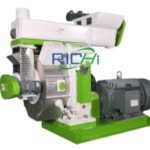
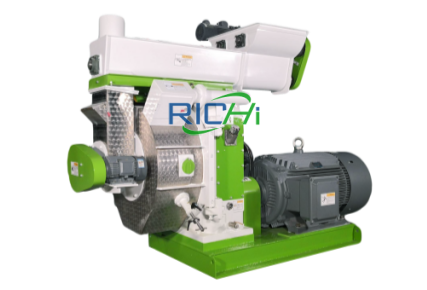
An efb pellet machine is designed specifically for this material. It is not a general-purpose pellet mill. It has a feeding system that handles fibrous, stringy material without wrapping or clogging. It has a die and rollers made from wear-resistant alloys that can withstand the abrasive silica. It has a conditioning system that softens the fibers and activates the natural binders. The result is a machine that can run continuously, producing consistent pellets from a material that would destroy lesser equipment.
Scaling Up for Commercial Production
Small pellet machines can handle a few hundred kilograms per hour, suitable for a mill that wants to produce fuel for its own boilers. But the real opportunity is at a larger scale. Palm oil mills produce thousands of tons of EFB every year. To process that volume, you need equipment that can keep up.
A large scale biomass pellet machine is built for continuous operation. It has a larger die, a more powerful motor, and heavier construction. It can process several tons per hour, day after day. These machines are used in commercial pellet plants, where reliability and throughput are essential. They are also used by large plantations and energy companies that need a steady supply of pellets for power generation or export.
The economics of large-scale EFB pelleting are compelling. The raw material is essentially free—it is a byproduct that mills already pay to dispose of. The energy cost of drying and pelleting is significant, but the value of the finished pellets more than covers it. In regions with renewable energy incentives, the economics are even better.
What a Complete Pellet Plant Includes
A pellet machine on its own does not make a production line. It needs supporting equipment to prepare the material, cool the pellets, and screen out fines. A complete pellet plant for EFB includes several stages.
First, the EFB is shredded or chopped to reduce the size of the fibers. This makes it easier to dry and grind. A hammer mill then reduces the material to a consistent particle size, typically 3 to 5 millimeters. The grinding step is important because it affects the quality of the pellets and the efficiency of the pellet mill.
Next, the material is dried. Fresh EFB contains too much moisture for pelleting. The moisture content must be reduced to around 12% to 15%. A rotary dryer or a belt dryer is used for this step. The heat source can be biomass, natural gas, or waste heat from the mill. Drying is the most energy-intensive part of the process, but it is essential.
After drying, the material is conditioned with steam. This softens the fibers and activates the lignin. The conditioned material is then fed into the pellet mill, where it is compressed into pellets. The hot pellets are cooled in a counterflow cooler, which hardens them and reduces moisture. Finally, a screener removes fines and broken pellets, which are recycled back into the process. The finished pellets are stored in silos or bagged for sale.
The Environmental Case
EFB pelleting has clear environmental benefits. Open burning of EFB releases methane and particulate matter. Returning EFB to the field can be beneficial in small amounts, but large volumes can cause nutrient imbalances and pest problems. Pelleting provides a controlled way to use the material. When EFB pellets are burned for energy, they displace fossil fuels. When they are used as bedding or soil amendment, they replace other materials that might have a larger footprint.
There is also the matter of waste reduction. Palm oil mills that pellet their EFB reduce the volume of waste they must manage. They reduce the risk of environmental violations. They turn a disposal cost into a revenue stream. For an industry that is often criticized for its environmental impact, EFB pelleting is a step in the right direction.
What to Look For in Equipment
If you are considering an EFB pellet machine, there are several things to check. The feeding system must be designed for fibrous material. The die and rollers must be made from wear-resistant alloys. The conditioning system must be able to deliver enough steam to soften the fibers. The motor must be sized for the load. The control system should be user-friendly and reliable.
It also helps to work with a manufacturer who understands EFB. This is not a material that behaves like wood or straw. It has its own quirks and challenges. A manufacturer with experience in palm oil waste can recommend the right configuration and help you avoid common mistakes.
The Market for EFB Pellets
EFB pellets can be sold as fuel, as bedding, or as a soil amendment. The fuel market is the largest. In Europe and Asia, biomass power plants and industrial boilers are increasingly using agricultural residues to meet renewable energy targets. EFB pellets have a calorific value of about 15 to 17 megajoules per kilogram, comparable to wood pellets. They can be co-fired with coal or burned in dedicated biomass boilers.
The bedding market is smaller but growing. EFB pellets are absorbent and low in dust. They are used for horse bedding, poultry litter, and livestock bedding. The soil amendment market is also emerging, as EFB pellets can improve soil structure and water retention.
For mills that produce their own fuel, the savings on energy costs can be substantial. For entrepreneurs who sell pellets, the revenue can be significant. The payback period for an EFB pellet plant depends on the scale and the market, but it is often measured in a few years.
Getting Started
If you are ready to explore EFB pelleting, the first step is to assess your material. How much EFB do you produce? What is its moisture content? What is its ash content? The answers will determine the scale of the equipment you need. The next step is to talk to equipment suppliers. Ask for references from other palm oil mills. Visit an installation if you can. See how the equipment performs and talk to the operators.
The technology is proven. The market is growing. The raw material is already there. For palm oil mills and entrepreneurs, EFB pelleting offers a way to turn a waste problem into a business opportunity. Click for more to explore equipment options and learn how to get started.


