

The biomass energy industry has experienced rapid growth as governments and corporations worldwide commit to reducing carbon emissions. At the heart of this movement is the wood pellet mill—a machine that transforms raw wood waste into high-value, standardized energy fuel. For entrepreneurs and industrial operators alike, understanding this technology and the infrastructure needed to build a successful wood pellet plant is essential.
The Role of the Wood Pellet Mill in Biomass Energy
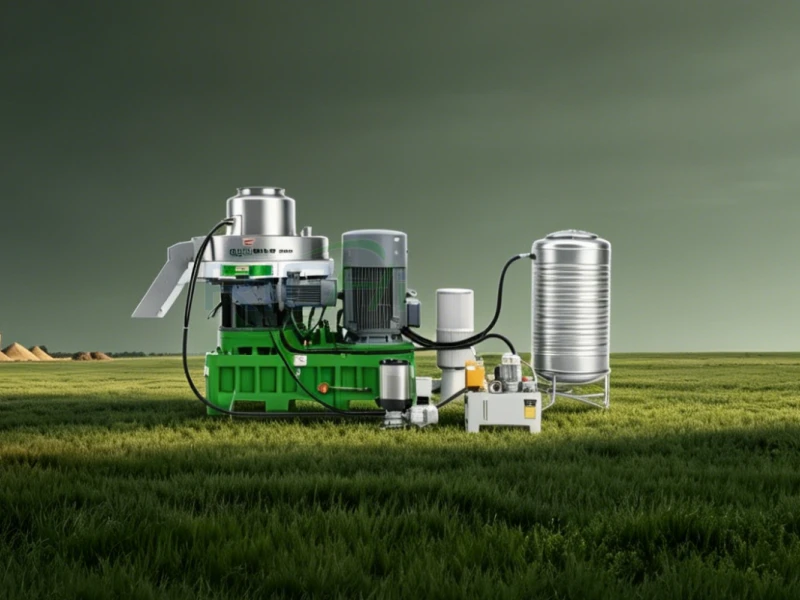
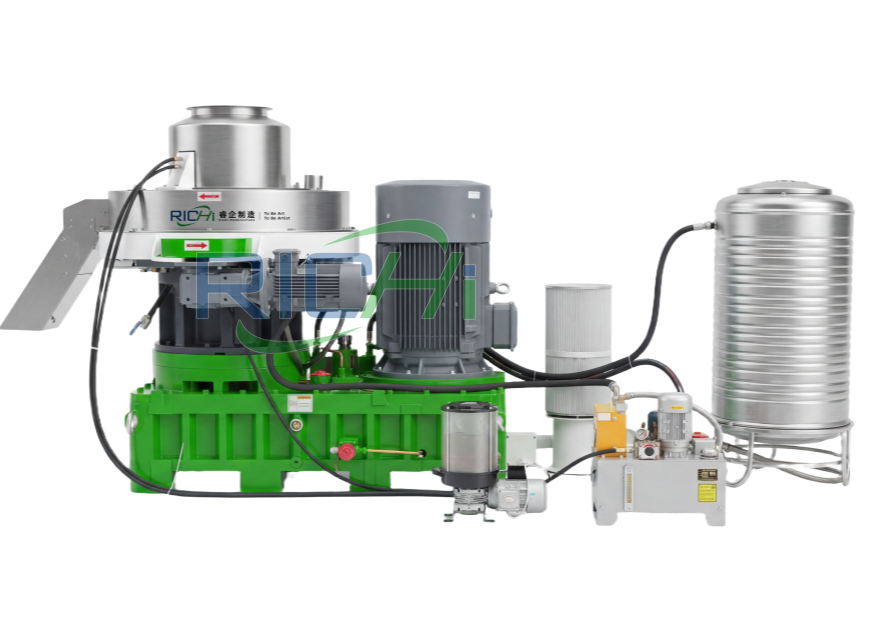
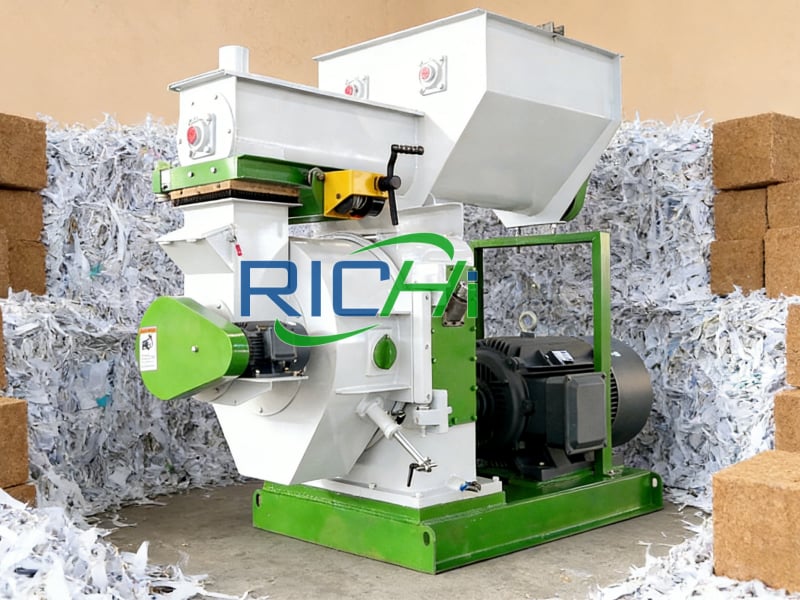
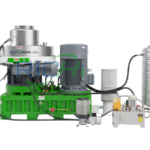
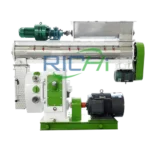
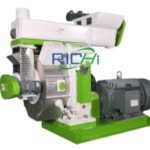
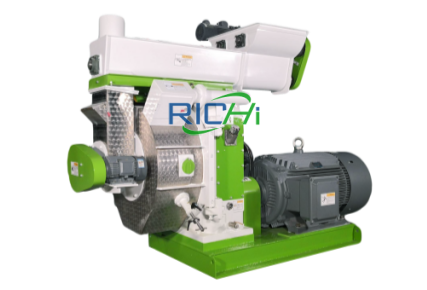
A wood pellet mill is a mechanical processing unit that compresses biomass materials into cylindrical pellets using a combination of pressure, heat, and friction. The resulting pellets are uniform in size, moisture content, and energy density—properties that make them ideal for automated combustion systems in power plants, district heating networks, and industrial boilers.
Modern pellet mills use ring-die systems for high-capacity industrial production. The ring die rotates around stationary rollers, forcing biomass through precisely sized holes under immense pressure. This design produces consistent, durable pellets at throughput rates ranging from 1 ton to over 15 tons per hour, depending on the machine model and raw material type.
Building a Complete Wood Pellet Plant
A wood pellet plant is not just a single machine—it is a complete production ecosystem. The following stages make up a standard plant configuration:
Stage 1 – Raw Material Preparation Wood logs, chips, and forest residues must be reduced to a manageable particle size before pelletizing. This typically involves wood chippers and hammer mills that process material down to 3–5mm in size.
Stage 2 – Drying Biomass from forests or sawmills often contains 40–60% moisture. Rotary drum dryers or belt dryers reduce this to the target range of 10–15% required for effective pellet formation.
Stage 3 – Pelletizing The dried and sized material enters the wood pellet mill, where it is compressed into pellets under high mechanical force. No binders or adhesives are required—the wood’s natural lignin serves as the bonding agent.
Stage 4 – Cooling and Hardening Pellets exit the mill at elevated temperatures and must be cooled in counter-flow coolers to room temperature. This step solidifies the pellet structure and reduces surface moisture.
Stage 5 – Screening and Packaging Fine particles and broken pellets are screened out and recycled. Finished pellets are then packaged in bags or stored in bulk silos for shipping.
Selecting the Right Wood Pellet Plant Capacity
Matching plant capacity to your business model is one of the most important planning decisions. Consider these common configurations:
- Small-scale plants (0.5–2 TPH): Suitable for regional biomass aggregators, small farms, or pilot projects.
- Medium-scale plants (2–6 TPH): Ideal for regional pellet distributors or co-generation facilities.
- Large-scale plants (6–20+ TPH): Designed for industrial power producers or export-focused pellet manufacturers.
For technical guidance on selecting the right capacity and configuration, see post content from expert manufacturers who provide real-world plant case studies and engineering specifications.
Why Partner with Richi Manufacture?
When it comes to sourcing a complete wood pellet plant, supplier experience matters enormously. Richi manufacture brings decades of dedicated pellet machinery engineering to every project. Their in-house design team creates customized plant layouts that optimize material flow, energy use, and maintenance accessibility.
Richi manufacture also provides comprehensive after-sales support including on-site installation assistance, operator training, spare parts supply, and remote diagnostics. This full-service approach minimizes startup risk and helps clients achieve stable, profitable production quickly.
Their machines are built with wear-resistant alloy dies and rollers, precision-balanced drive systems, and advanced control panels that allow operators to monitor and adjust key production parameters in real time.
Market Trends Driving Wood Pellet Demand
The global wood pellet market is projected to continue expanding due to several converging factors. European Union renewable energy directives mandate that member states increase biomass energy share in their electricity and heating mix. Japan and South Korea have also emerged as major pellet importers following domestic coal phase-out policies. In North America, industrial co-firing programs at coal plants are driving additional demand.
These trends create long-term revenue security for well-positioned wood pellet plant operators who can supply certified, high-quality pellets to international markets.
Conclusion
The wood pellet mill is a proven, scalable technology that sits at the center of the global biomass energy transition. By building a complete wood pellet plant with the support of Richi manufacture and making use of resources where you can see post for project references, you can enter this growing market with confidence and a clear path to profitability.