


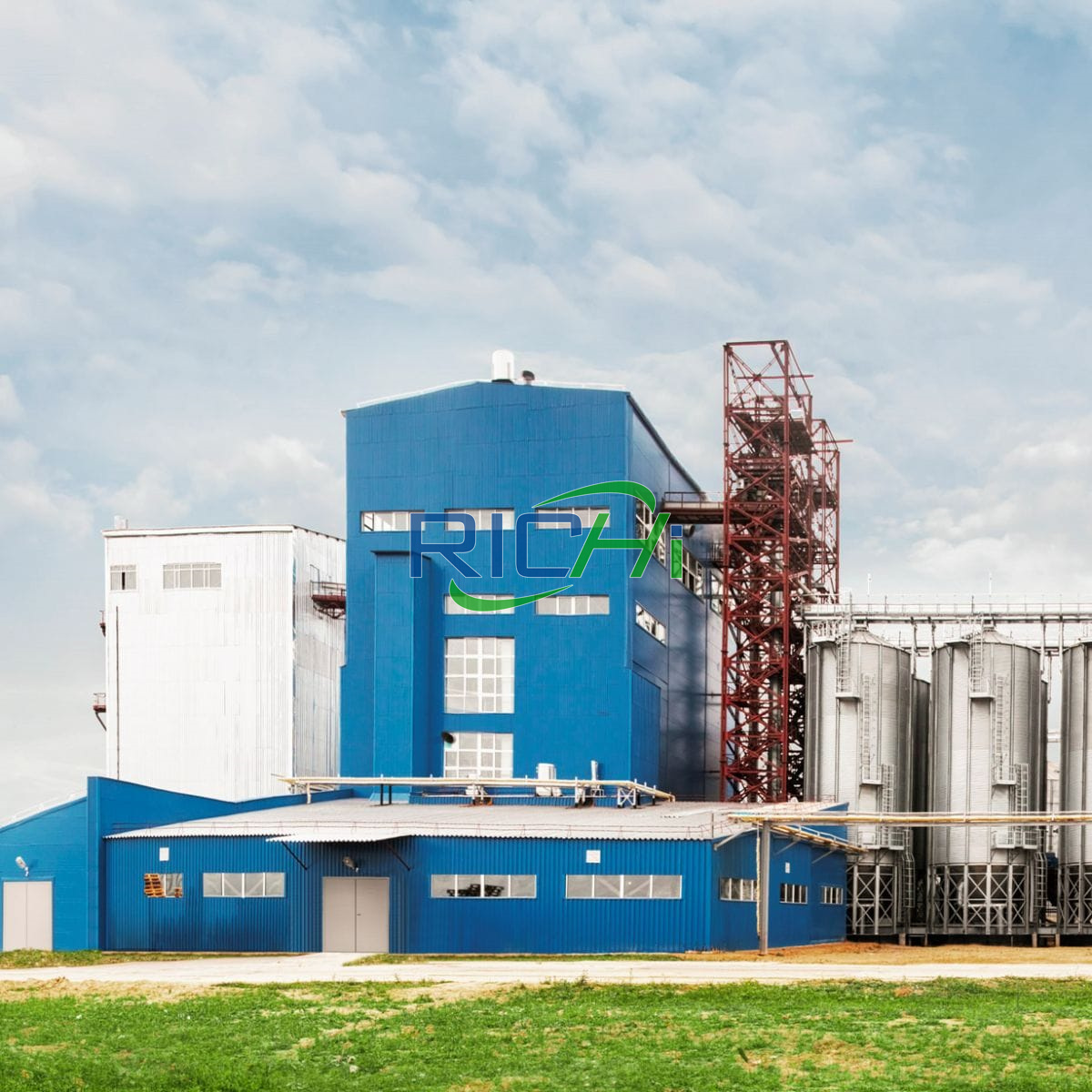
Walk through any commercial feed mill, and you’ll see a familiar rhythm. Ingredients are ground, mixed, conditioned, and pelleted. The machinery hums, the conveyors move, and bags of finished product stack up at the end of the line. It’s a system that works well for poultry, swine, and cattle feed. But when it comes to goat feed, the same approach doesn’t always produce the best results.
Goats are different. Their digestive system, their feeding behavior, and their nutritional requirements all set them apart from other livestock. And the feed that works best for them has characteristics that require a different manufacturing approach. For feed mill operators who understand these differences, there’s an opportunity to produce a superior product and build a loyal customer base. For those who don’t, there’s a risk of producing feed that goats won’t eat efficiently—or won’t eat at all.
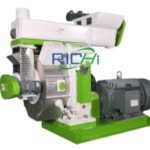
At the center of any feed production line is the feed mill pellet machine, the equipment that transforms prepared mash into finished pellets. Its design, configuration, and operation have a direct impact on the quality of the final product, particularly for specialized rations like goat feed.
Understanding the Goat Digestive System
Goats are ruminants, like cattle and sheep, but with some important distinctions. They are browsers, not grazers, which means their natural diet consists of shrubs, leaves, and woody plants rather than grass. This evolutionary adaptation has given them a digestive system that processes fibrous material efficiently—but it also means they have specific preferences for the texture and particle size of their feed.
The goat’s rumen is smaller relative to body size than a cow’s, which means they need a more concentrated diet. They also require a higher proportion of fiber to maintain proper rumen function. Too little fiber, and the rumen doesn’t work properly; too much, and the animal can’t consume enough energy to meet its production needs. The balance is delicate, and feed formulation must take this into account.
The physical form of the feed matters too. Goats are selective eaters. They will pick through a loose mash, consuming the grains and leaving behind the fibrous components. This selective feeding leads to nutritional imbalances and wasted ingredients. It also means that a farmer feeding loose mash is not getting the benefit of the complete ration they paid for.
Why Pelleting Matters for Goats
Pelleted feed addresses the selective eating problem directly. When the ingredients are ground, thoroughly mixed, and compressed into uniform pellets, the goat can’t pick and choose. Every pellet contains the same proportion of every ingredient, so the animal receives a complete and balanced ration with every bite.
The pelleting process also improves digestibility. The heat and pressure applied during pelleting gelatinize starches and break down some of the fibrous structures, making nutrients more accessible to the goat’s digestive system. The result is better feed conversion—more growth, more milk, or more fiber per pound of feed consumed.
For farmers, the benefits are substantial. Pelleted feed reduces waste, improves animal performance, and makes feeding more efficient. For feed mill operators, producing high-quality goat pellets means satisfied customers who return for repeat business and recommend your products to others.
The Technical Challenges of Goat Feed Pelleting
Producing goat feed pellets is not the same as producing poultry or swine pellets. Several technical factors set it apart.
First, the formulation. Goat rations typically contain a higher proportion of fibrous ingredients, such as alfalfa meal, grass hay, or other forages. These fibrous materials don’t pellet as readily as grains and protein meals. The fibers can interfere with the binding process, resulting in weak pellets that crumble during handling. To compensate, the pellet mill must be configured specifically for fibrous materials—with the right die size, compression ratio, and conditioning parameters.
Second, the particle size. Goats prefer a coarser grind than poultry or swine. If the feed is ground too fine, the pellets may be too dense and goats may reject them. If it’s too coarse, the pellets may break apart. Finding the right particle size requires careful testing and adjustment.
Third, the fat content. Goat rations may include supplemental fats to increase energy density. But high fat levels can interfere with pellet binding, making the pellets soft and prone to breakdown. Special conditioning and binder selection may be needed to handle these formulations.
Fourth, the moisture control. The fibrous ingredients in goat feed absorb moisture differently than grains. This means the conditioning requirements vary, and the operator must adjust the steam and moisture addition to achieve the correct balance.
The Role of the Pellet Mill
At the center of the production line is the feed mill pellet machine itself. For goat feed, the choice of die and the adjustment of the compression ratio are critical. A die that’s designed for poultry feed—with smaller holes and a higher compression ratio—will produce goat pellets that are too hard and dense. The goats won’t eat them efficiently, and the farmer will think the feed is poor quality.
Conversely, a die that’s designed for cattle feed—with larger holes and a lower compression ratio—will produce goat pellets that are too soft. They’ll crumble in the bag, and the customer will receive a product that’s half powder. Again, the farmer will blame the feed quality, not the equipment.
The right die for goat feed sits somewhere in between. The hole diameter is typically 3 to 6 millimeters, and the compression ratio is moderate. The specific configuration depends on the formulation and the desired pellet characteristics. This is where experience and expertise matter—a feed mill with knowledge of goat nutrition can dial in the die settings to produce the ideal pellet.
The Economic Case for the Right Machine
For a feed mill producing goat feed at scale, the choice of pelleting equipment directly affects profitability. A low consumption goat feed pellet making machine is engineered to process fibrous small ruminant rations efficiently while minimizing energy use. The term “low consumption” applies to both electricity and wear parts—two of the largest operating costs in feed milling.
A machine that’s properly matched to the feedstock will use less power per ton, reduce wear on the die and rollers, and produce consistent pellet quality with fewer rejects. For a mill producing 500 tons of goat feed annually, the cumulative savings in energy and maintenance can reach thousands of dollars each year—savings that go directly to the bottom line.
Beyond the direct cost savings, there’s the value of customer satisfaction. A mill that consistently produces durable, palatable goat pellets will retain customers and attract new ones. Farmers who feed those pellets will see better animal performance, lower waste, and improved efficiency. It’s a benefit that flows through the entire supply chain.
Conditioning: The Forgotten Step
Conditioning is one of the most important steps in the pelleting process, yet it’s often overlooked. The purpose of conditioning is to add heat and moisture to the mash before it enters the pellet chamber. This softens the fibers, gelatinizes the starches, and activates the natural binders in the ingredients.
For goat feed, conditioning is particularly important because of the high fiber content. Without adequate conditioning, the fibers won’t bind properly, and the pellets will be weak. With proper conditioning, the fibers soften and the pellets become durable.
The conditioning temperature and dwell time need to be adjusted based on the formulation. A ration with a high proportion of alfalfa meal may require more conditioning than one based on grains. The operator must monitor the temperature and moisture of the mash and adjust the steam addition accordingly. This requires skill and attention, but it’s essential for consistent quality.
Ingredient Selection and Preparation
The raw ingredients that go into goat feed deserve careful attention. The quality of the ingredients directly affects the quality of the final pellets.
Forage meals, such as alfalfa or grass hay, should be of high quality and ground to the correct particle size. If the forage is too coarse, the pellets will be weak; too fine, and the pellets may be too dense. The grinding equipment must be properly adjusted and maintained to achieve consistent results.
Grains should be clean and free of mold or contaminants. The protein meal, whether soybean, canola, or other sources, should have consistent nutritional value. Minerals and vitamins must be accurately weighed and thoroughly mixed to ensure even distribution.
The mixing process itself is critical. Uneven mixing means some pellets will have too much of one nutrient and not enough of another. This inconsistency leads to variable animal performance and unhappy customers.
Quality Control in Goat Feed Production
Quality control is essential for any feed mill, but it takes on particular importance for goat feed. Goats are sensitive to feed changes, and even small variations in the product can cause them to reduce intake.
Regular testing of the finished pellets should include:
- Pellet durability: A measure of how well the pellets hold up during handling and transport. Durability should be at least 90%, and ideally 95% or higher.
- Pellet hardness: The physical resistance of the pellet to crushing. Pellets that are too hard or too soft will be rejected by goats. The right hardness is a balance that comes from correct die selection and conditioning.
- Moisture content: Finished pellets should have a moisture content of 10% to 12%. Higher moisture can lead to mold growth during storage.
- Nutritional analysis: Regular testing of protein, fat, fiber, and mineral content ensures the formulated ration matches what’s actually being delivered.
The Selection Process
When evaluating equipment for goat feed production, feed mill operators should consider several factors beyond the initial purchase price.
The die specification is the most important technical choice. The hole diameter, compression ratio, and die material all affect pellet quality and production cost. A die that’s optimized for goat feed will produce durable pellets without excessive energy consumption.
The conditioning system is equally important. A mill that can properly condition fibrous goat rations will produce superior pellets. The steam system should have adequate capacity and precise control.
Ease of maintenance matters too. A machine that’s difficult to service will result in longer downtime and higher labor costs. Look for designs that allow quick access to wear parts and straightforward die changes.
Conclusion
Goat feed is not just a variation of other feed types. It has its own requirements, its own challenges, and its own opportunities. For feed mill operators who take the time to understand these factors, producing high-quality goat pellets is a way to differentiate themselves and build a loyal customer base.
The equipment—including a properly configured feed mill pellet machine—is available. The knowledge to use it effectively is accessible. And the feed pellet machine market offers choices that can be tailored to the specific demands of small ruminant production. The opportunity is there for those who recognize it.